

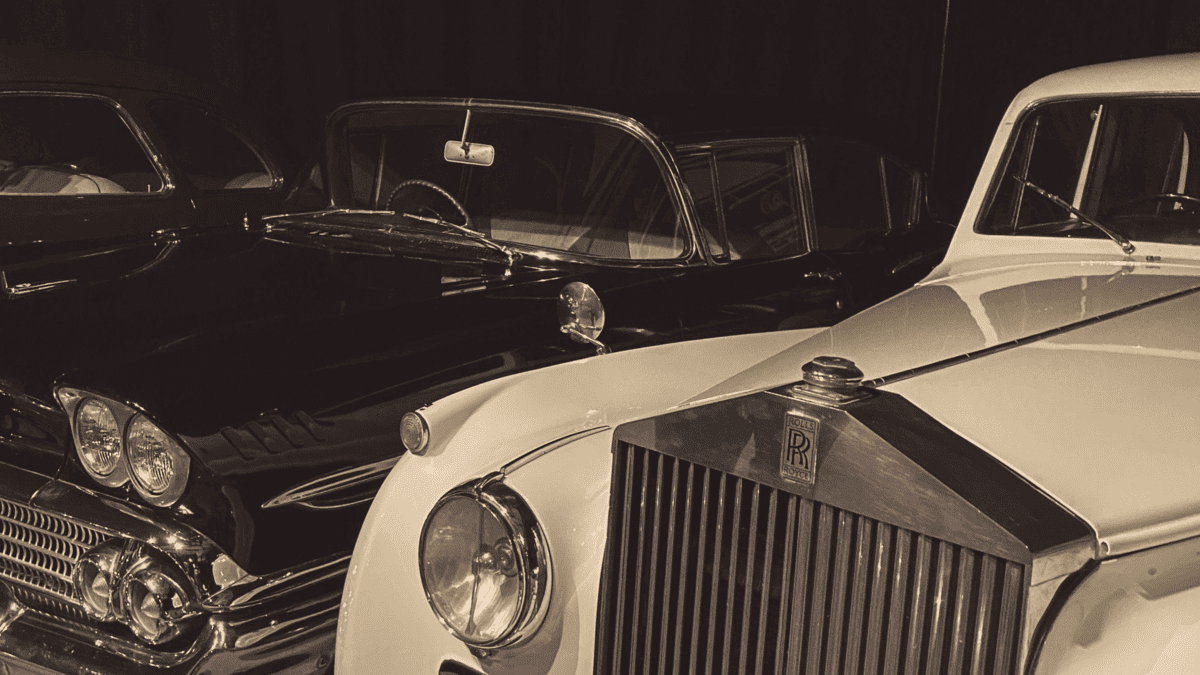
Owning a vintage vehicle is both a passion and a privilege. However, preserving the beauty and mechanical integrity of a classic automobile requires far more than standard servicing. Because these exceptional machines feature historic engineering, maintaining them demands a dedicated Classic Car Maintenance Guide that blends traditional craftsmanship with precise, proactive care.
Fluid Management: The Lifeline of Vintage Engines
Unlike modern vehicles with extended service intervals, classic cars rely heavily on frequent fluid checks. Oils, coolants, and hydraulic fluids degrade over time, even when the vehicle remains parked in a climate-controlled environment.
- Engine Oil Selection: Modern synthetic oils often lack zinc and phosphorus (ZDDP) additives, which are essential for protecting flat-tappet camshafts found in older engines. Therefore, you should always choose high-zinc mineral or specialized classic formulations.
- Brake and Hydraulic Systems: Standard DOT 3 and DOT 4 brake fluids are hygroscopic, meaning they absorb moisture over time. Because this leads to internal corrosion in master cylinders, flushing the brake system every two years is vital.
- Coolant Preservation: Antique radiators are prone to rust and scale buildup. Consequently, using a low-silicate coolant alongside distilled water prevents internal blockages and preserves delicate copper and brass components.
Storage and Environmental Control
Improper storage is arguably the single greatest threat to a collector vehicle. Because humidity and temperature fluctuations cause condensation, leather shrinkage, and rubber deterioration, optimal storage conditions are non-negotiable.
| Component | Storage Risk | Preventive Action |
| Tyres | Flat-spotting and dry rot | Inflate to maximum PSI; store on tire cradles or jack stands |
| Fuel System | Phase separation & varnish buildup | Use ethanol-free fuel alongside a high-grade fuel stabilizer |
| Battery | Deep discharge & cell decay | Connect a smart trickle charger with auto-float technology |
| Interior | Mildew & leather drying | Maintain humidity at 40–50%; apply natural leather conditioner |
Mechanical Upkeep: Exercising the Machinery
A classic car that sits idle for extended periods often suffers more damage than one driven regularly. Seals dry out, gaskets shrink, and fuel systems clog when a vehicle remains stationary.
- Regular Warm-Up Drives: Take your vehicle on a 20-to-30-minute drive at least once a month. This allows the engine, transmission, and differential to reach full operating temperature, which burns off moisture accumulation.
- Exercise the Brakes: Gentle, consistent braking prevents calipers and wheel cylinders from seizing up due to inactivity.
- Inspect Electrical Wiring: Older wiring harnesses with cloth or early PVC insulation can become brittle. Therefore, routine visual checks of the fuse box and grounding points prevent unexpected electrical faults.
Bodywork and Trim Preservation
Preserving original paintwork and brightwork maintains both aesthetic beauty and historical value. However, modern aggressive polishing compounds can easily burn through thin, single-stage nitrocellulose or enamel paints.
Always wash your classic using the two-bucket method, followed by a coat of high-grade carnauba wax to seal the finish. Additionally, treat chrome and brightwork with specialized non-abrasive polishes to block oxidation. By applying a structured Classic Car Maintenance Guide, you safeguard your automotive investment, ensuring it remains a functional piece of art for generations to come.
Leave a Reply