
REFINING THE MODERN GENTLEMAN

Insights and inspiration for the modern standard.

A curated journal on style, culture, and the pursuit of quality.

Author: Nick Lotto

  • The Gentleman’s Guide to Seasonal Men’s Fragrances

    The Gentleman’s Guide to Seasonal Men’s Fragrances

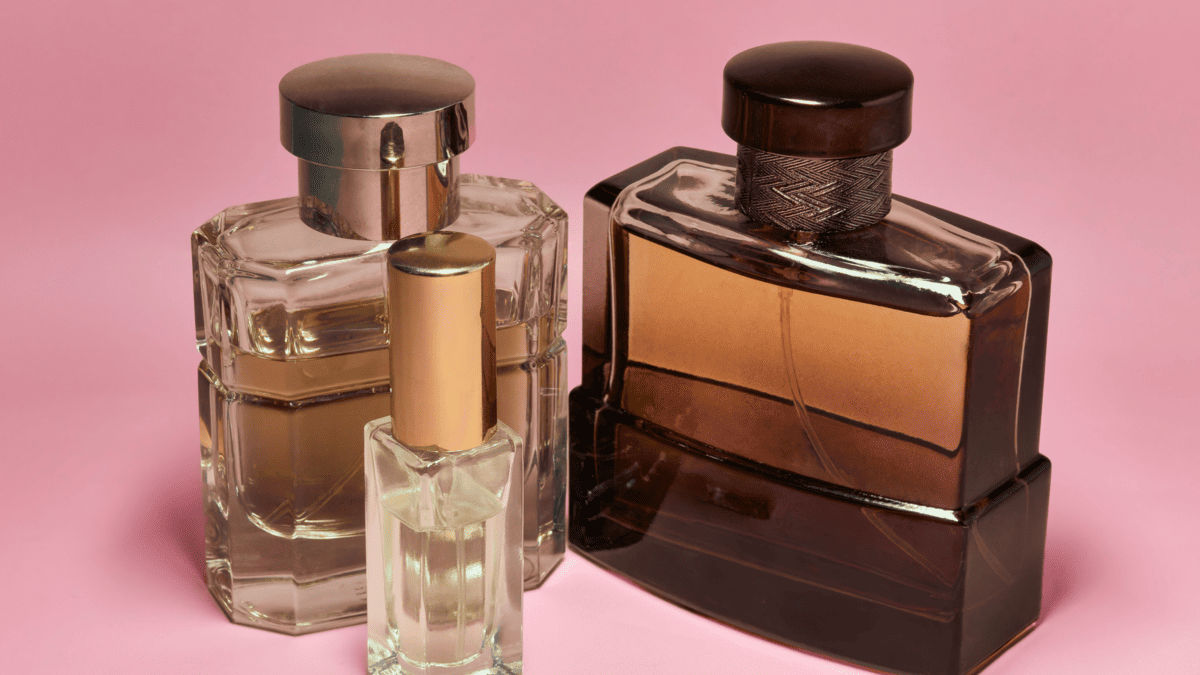
    A truly signature scent is never static; rather, it evolves alongside the environment around you. While many men rely on a single cologne year-round, ambient temperature, humidity, and atmospheric changes dramatically influence how a fragrance performs on the skin. Consequently, mastering Seasonal Men’s Fragrances is essential for any modern gentleman who seeks to present a polished, memorable impression in every season.

    The Science of Olfaction and Climate

    To understand why seasonal rotation matters, one must examine how heat affects perfume volatility. Because warm weather accelerates evaporation, heavy fragrances can easily become overwhelming in summer. Conversely, cold winter air slows down evaporation, causing delicate scents to dissipate almost instantly.

    • High Heat & Humidity: Elevates the projection of notes, making heavy resins, spices, and sweet accords dangerously cloying.
    • Low Temperatures & Dry Air: Mutes subtle aromas, meaning crisp citrus and light florals struggle to project effectively.

    Understanding these environmental dynamics ensures that your chosen Seasonal Men’s Fragrances work in harmony with the weather rather than competing against it.

    Spring: Revival, Greenery, and Crisp Florals

    Spring represents a period of renewal. As temperatures rise gently, you should transition away from heavy winter scents toward compositions that embody fresh foliage, damp earth, and crisp rain.

    • Key Notes to Seek: Vetiver, bergamot, neroli, mint, violet leaf, and galbanum.
    • The Character: Bright, uplifting, and clean, yet grounded by subtle woody undertones.

    A refined spring fragrance acts as a sophisticated bridge between winter’s intensity and summer’s light simplicity.

    Summer: Solar Citrus, Aquatic Notes, and Light Woods

    During peak summer, minimalism is paramount. Heat amplifies fragrance notes exponentially; therefore, selecting light, refreshed olfactory profiles prevents your scent from becoming suffocating to those around you.

    ElementIdeal Summer CompositionNotes to Avoid in High Heat
    Top NotesCalabrian Bergamot, Mandarin, Sea SaltHeavy Cinnamon, Cardamom, Nutmeg
    Heart NotesRosemary, Juniper Berry, Green TeaThick Vanilla, Tonka Bean, Amber
    Base NotesWhite Musk, Driftwood, Light CedarHeavy Oud, Thick Leather, Dense Resin

    Applying your fragrance immediately after a shower onto hydrated skin ensures maximum longevity without needing excessive sprays.

    Autumn: Warm Spices, Earthy Woods, and Rich Amber

    As leaves fall and temperatures drop, autumn calls for comforting, atmospheric compositions. The crisp air accommodates deeper, more complex scent profiles that mirror the changing landscape.

    1. Embrace Spiced Elements: Look for top and mid notes featuring pink pepper, cardamom, and clove.
    2. Prioritise Rich Base Layers: Seek out rich cedarwood, sandalwood, vetiver, and smoky incense.
    3. Introduce Subtle Sweetness: Hints of rum, tobacco, or dark cocoa add tactile warmth to evening wear.

    These rich compositions wrap around you like a bespoke cashmere overcoat, offering effortless autumnal sophistication.

    Winter: Indulgent Resins, Oud, and Heavy Gourmands

    Winter allows for the grandest, most opulent olfactory expressions. Because cold air suppresses fragrance projection, you can confidently wear powerful scents featuring dense, sensual ingredients.

    • Oud & Leather: Rich, animalic, and deeply authoritative compositions that radiate confidence.
    • Amber & Vanilla: Warm, resinous base notes that cling to heavy wool and cashmere fabrics for hours.

    Curating a tailored collection of Seasonal Men’s Fragrances ensures that your presence is always felt with understated elegance, no matter the time of year.

  • Master the Art of Wet Shaving: Premium Wet Shaving Kit

    Master the Art of Wet Shaving: Premium Wet Shaving Kit

    In an era dominated by disposable convenience, returning to traditional grooming routines offers a rare moment of personal ritual. Mastering traditional grooming is far more than a practical necessity; it represents a commitment to self-care, skin health, and timeless craftsmanship. By replacing multi-blade cartridges with a Premium Wet Shaving Kit, you transform a mundane daily chore into an indulgent, high-performance experience.

    The Anatomy of a High-End Wet Shaving Kit

    The foundation of an exceptional shave lies in the quality of your tools. Because modern cartridge razors rely on plastic components and friction, they frequently cause ingrown hairs and razor burn. Conversely, traditional equipment prioritises precision balance, weighted control, and natural materials.

    • The Safety Razor: Engineered from solid brass, stainless steel, or polished chrome, a safety razor holds a single double-edge blade. Because the razor’s weight does the work, you achieve a remarkably close cut without applying damaging pressure to your skin.
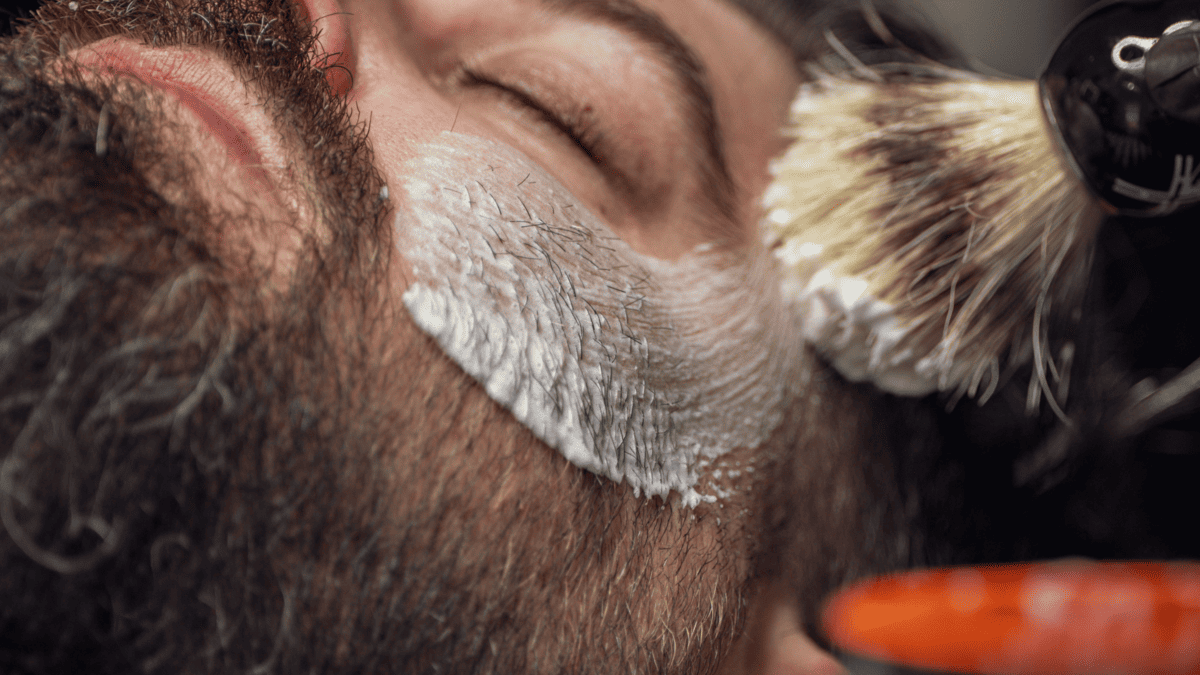
    • The Badger Hair Brush: A handcrafted badger hair or high-grade synthetic brush is essential. However, its purpose extends beyond applying lather; it gently exfoliates the skin, lifts beard hairs, and encapsulates moisture.
    • Artisanal Shaving Soap or Cream: High-end soaps utilize rich fats, tallow, or botanical oils (such as shea butter and glycerine) to create a dense, slick protective barrier rather than thin chemical foam.

    Preparing the Canvas: Skin and Facial Hair Preparation

    Achieving an effortless, irritation-free finish requires methodical preparation. Because cold, dry hair is tough and resistant to blades, proper hydration remains non-negotiable.

    1. Hydration & Heat: Begin by showering or applying a warm, damp towel to your face for sixty seconds. Consequently, this softens the hair shaft and opens your pores.
    2. Pre-Shave Oil: Apply a few drops of natural pre-shave oil. This adds an invisible protective layer, ensuring your razor glides effortlessly across sensitive contours.
    3. Lathering: Using your damp brush, work your artisanal soap into a rich, cushion-like lather using circular motions directly on your face or in a heated shaving bowl.

    Technique and Execution

    AspectConventional Cartridge RazorTraditional Safety Razor
    Applied PressureRequires heavy pressure against skinZero pressure; relies entirely on razor weight
    Blade AngleFixed plastic head determines angleManual precision at a steady 30-degree angle
    Pass MethodRepeated aggressive scrapingMethodical passes (with, across, and against grain)
    Skin ImpactHigh friction, tugging, and irritationMinimal friction, reduced razor burn, and smooth finish

    Hold your safety razor at approximately 30 degrees to your skin. Take short, deliberate strokes in the direction of your hair growth. Because a single sharp blade cuts hair cleanly at skin level rather than pulling it outward, ingrown hairs become a problem of the past.

    Post-Shave Restoration

    Complete your ritual with dedicated skin recovery. Rinse thoroughly with cool water to soothe the skin and constrict pores. Finally, apply an alcohol-free, moisturizing aftershave balm enriched with witch hazel, aloe vera, or natural essential oils to restore moisture and leave a subtle, sophisticated scent. Investing in a Premium Wet Shaving Kit elevates daily grooming into an effortless statement of personal refinement and quiet luxury.

  • Premier Boutique Hotels: How to Experience Unmatched Hospitality Worldwide

    Premier Boutique Hotels: How to Experience Unmatched Hospitality Worldwide

    Selecting the ideal accommodation often dictates the entire tone of a journey. While expansive grand hotels offer familiarity, staying at Premier Boutique Hotels delivers a refined level of intimacy, bespoke service, and architectural distinctiveness that high-inventory properties simply cannot replicate. However, discovering these hidden sanctuaries and maximising your stay requires an appreciation for nuanced, highly personalized hospitality.

    The Character of Boutique Luxury: Architectural and Cultural Identity

    Unlike standardized luxury chains, boutique properties prioritize local authenticity and unique aesthetic character. Because these properties usually feature fewer than fifty rooms, architects and interior designers craft distinct environments that honor their historical or geographical surroundings.

    • Architectural Storytelling: Whether housed within a restored 17th-century Florentine palazzo or a minimalist desert pavilion in Kyoto, top-tier boutique properties celebrate heritage while offering modern comfort.
    • Curated Art and Design: Rather than mass-produced décor, guest rooms frequently showcase custom furnishings, vintage design pieces, and commissioned artworks by local artisans.
    • Sense of Place: Consequently, returning to your room feels less like entering an anonymous suite and more like stepping into a private, elegantly appointed residence.

    Bespoke Hospitality: The Power of Hyper-Personalised Service

    The defining hallmark of Premier Boutique Hotels lies in their intuitive, discreet service. Because staff-to-guest ratios remain exceptionally high, hospitality teams anticipate personal preferences long before you request them.

    Hospitality AspectStandard Luxury HotelPremier Boutique Hotel
    Guest RecognitionKeycard identity & room numbersPersonal recognition by name across all staff
    Concierge AccessGeneric city recommendationsOff-market access, private gallery tours & custom itineraries
    Dining FlexibilityFixed restaurant operating hoursTailored, flexible dining created around guest preference
    AtmosphereBustling lobbies & energetic crowdsQuiet, private spaces designed for solitude and calm

    However, achieving this level of tailored care depends on communication. Informing the hotel before arrival regarding your preferred dietary habits, pillow firmness, or ideal room temperature allows staff to curate your room precisely to your taste.

    How to Select and Secure the World’s Best Boutique Stays

    Because independent properties often operate outside mainstream booking platforms, uncovering true horological-grade hospitality requires strategic research.

    1. Leverage Specialized Hotel Networks: Look for properties affiliated with prestigious luxury associations such as Relais & Châteaux, Small Luxury Hotels of the World (SLH), or Design Hotels. These affiliations guarantee rigorous standards of service and design.
    2. Book Directly Through Property Management: Because boutique hoteliers value direct relationships, booking through their direct reservations desk frequently yields complimentary room upgrades, late check-outs, or welcome amenities.
    3. Prioritise Location and Sanctuary: Ensure the property offers a peaceful sanctuary while remaining conveniently positioned near regional highlights, allowing you to immerse yourself in local culture effortlessly.

    Ultimately, choosing Premier Boutique Hotels transforms standard vacation accommodation into an unforgettable element of the travel experience itself, where effortless sophistication and genuine human connection redefine modern luxury.

  • Luxury Villa Rentals for Vacation: Booking Holiday Homes for Family Retreats

    Luxury Villa Rentals for Vacation: Booking Holiday Homes for Family Retreats

    Planning a memorable family retreat requires a careful balance between shared communal spaces and personal privacy. While traditional luxury hotels offer convenience, booking Luxury Villa Rentals for Vacation stays provides an unparalleled sense of seclusion, space, and tailored hospitality. However, securing the perfect private sanctuary demands a thoughtful approach to layout, location, and bespoke services.

    Prioritising Layout: Balancing Togetherness and Privacy

    When hosting multi-generational families, architectural flow is paramount. Because dynamic family groups feature varying schedules and sleep patterns, a well-designed estate ensures everyone relaxes without compromise.

    • En-Suite Bedrooms: Ensure every primary guest room features a dedicated en-suite bathroom. Consequently, morning routines remain unhurried and peaceful.
    • Dual Living Zones: Look for properties featuring both expansive main lounges for group gatherings and quiet secondary retreats, such as a garden pavilion or cozy library.
    • Child-Safe Amenities: If traveling with young children, verify that outdoor swimming pools feature safety barriers or modern alarm systems.

    Furthermore, selecting properties with ground-floor suites accommodates older family members seamlessly, eliminating unnecessary staircases without sacrificing elegance.

    Essential Amenities for an Effortless Stay

    While high-end interior design creates a sophisticated atmosphere, functional amenities determine the daily comfort of your family retreat.

    CategoryStandard Rental FeaturesExceptional Luxury Villa Features
    Culinary SetupStandard appliances & self-cook spaceProfessional chef’s kitchen & private on-site culinary staff
    Wellness & LeisureBasic outdoor poolHeated infinity pool, private spa, hot tub & fitness pavilion
    Outdoor LivingBasic patio seatingCovered al fresco dining, outdoor fireplace & landscaped grounds
    Concierge ServiceBasic digital check-in guide24/7 dedicated estate manager & tailored itinerary planning

    Investing in properties with fully staffed options—such as a private chef and daily housekeeping—removes domestic burdens entirely, allowing hosts to focus purely on family connection.

    Location and Accessibility: Striking the Ideal Balance

    The charm of a remote estate is undeniable; however, practical accessibility remains crucial for group holidays.

    1. Proximity to Airports: To minimize travel fatigue after long flights, choose properties located within a 60-to-90-minute private transfer from the arrival terminal.
    2. Access to Local Culture: Select a retreat that offers tranquility while remaining close to fine dining, coastal marinas, or historical towns.
    3. Secluded Setting: Ensure the estate is surrounded by generous private grounds, protecting your family’s privacy from neighboring properties.

    Navigating the Booking Process

    Because high-demand holiday homes book out up to a year in advance—particularly during peak summer and festive seasons—early planning is essential. Furthermore, booking through established luxury agencies provides vetted quality control, secure transactions, and access to off-market estates. By placing Luxury Villa Rentals for Vacation stays at the center of your holiday planning, you craft an unforgettable environment where family traditions thrive in quiet comfort and total privacy.

  • Classic Car Maintenance Guide: Essential Tips for Collector Automobiles

    Classic Car Maintenance Guide: Essential Tips for Collector Automobiles

    Owning a vintage vehicle is both a passion and a privilege. However, preserving the beauty and mechanical integrity of a classic automobile requires far more than standard servicing. Because these exceptional machines feature historic engineering, maintaining them demands a dedicated Classic Car Maintenance Guide that blends traditional craftsmanship with precise, proactive care.

    Fluid Management: The Lifeline of Vintage Engines

    Unlike modern vehicles with extended service intervals, classic cars rely heavily on frequent fluid checks. Oils, coolants, and hydraulic fluids degrade over time, even when the vehicle remains parked in a climate-controlled environment.

    • Engine Oil Selection: Modern synthetic oils often lack zinc and phosphorus (ZDDP) additives, which are essential for protecting flat-tappet camshafts found in older engines. Therefore, you should always choose high-zinc mineral or specialized classic formulations.
    • Brake and Hydraulic Systems: Standard DOT 3 and DOT 4 brake fluids are hygroscopic, meaning they absorb moisture over time. Because this leads to internal corrosion in master cylinders, flushing the brake system every two years is vital.
    • Coolant Preservation: Antique radiators are prone to rust and scale buildup. Consequently, using a low-silicate coolant alongside distilled water prevents internal blockages and preserves delicate copper and brass components.

    Storage and Environmental Control

    Improper storage is arguably the single greatest threat to a collector vehicle. Because humidity and temperature fluctuations cause condensation, leather shrinkage, and rubber deterioration, optimal storage conditions are non-negotiable.

    ComponentStorage RiskPreventive Action
    TyresFlat-spotting and dry rotInflate to maximum PSI; store on tire cradles or jack stands
    Fuel SystemPhase separation & varnish buildupUse ethanol-free fuel alongside a high-grade fuel stabilizer
    BatteryDeep discharge & cell decayConnect a smart trickle charger with auto-float technology
    InteriorMildew & leather dryingMaintain humidity at 40–50%; apply natural leather conditioner

    Mechanical Upkeep: Exercising the Machinery

    A classic car that sits idle for extended periods often suffers more damage than one driven regularly. Seals dry out, gaskets shrink, and fuel systems clog when a vehicle remains stationary.

    1. Regular Warm-Up Drives: Take your vehicle on a 20-to-30-minute drive at least once a month. This allows the engine, transmission, and differential to reach full operating temperature, which burns off moisture accumulation.
    2. Exercise the Brakes: Gentle, consistent braking prevents calipers and wheel cylinders from seizing up due to inactivity.
    3. Inspect Electrical Wiring: Older wiring harnesses with cloth or early PVC insulation can become brittle. Therefore, routine visual checks of the fuse box and grounding points prevent unexpected electrical faults.

    Bodywork and Trim Preservation

    Preserving original paintwork and brightwork maintains both aesthetic beauty and historical value. However, modern aggressive polishing compounds can easily burn through thin, single-stage nitrocellulose or enamel paints.

    Always wash your classic using the two-bucket method, followed by a coat of high-grade carnauba wax to seal the finish. Additionally, treat chrome and brightwork with specialized non-abrasive polishes to block oxidation. By applying a structured Classic Car Maintenance Guide, you safeguard your automotive investment, ensuring it remains a functional piece of art for generations to come.

  • Mechanical vs. Quartz: Investing in Your First Luxury Dress Watch

    Mechanical vs. Quartz: Investing in Your First Luxury Dress Watch

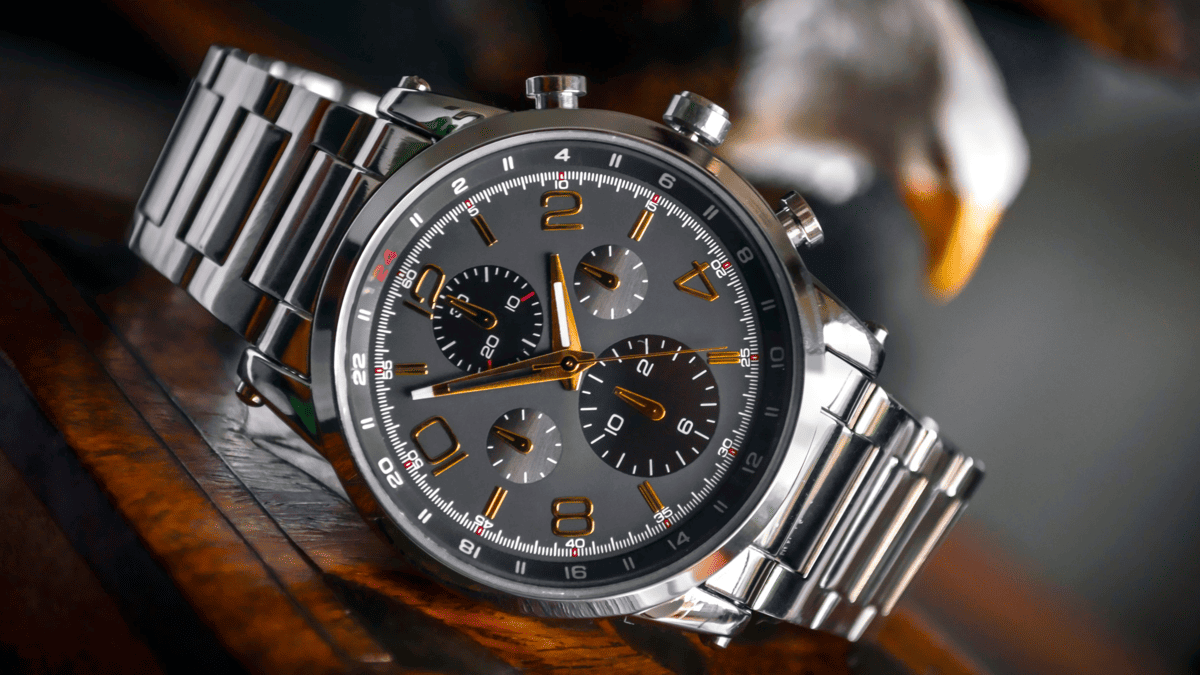
    Acquiring your first luxury timepiece is a milestone that marks both personal achievement and an appreciation for fine craftsmanship. When entering the world of haute horology, however, collectors invariably face a pivotal debate: Mechanical vs. Quartz. While both options yield exceptional elegance, understanding the nuanced differences between these movements ensures your choice reflects your lifestyle, values, and long-term aesthetic vision.

    The Mechanical Movement: Horological Tradition and Artistry

    For centuries, mechanical watchmaking has represented the absolute pinnacle of micro-engineering. Powered by a tightly wound mainspring rather than an electronic battery, a mechanical movement relies on hundreds of tiny components working in harmonious synchronization.

    • Craftsmanship: Every gear, bridge, and lever is meticulously finished, often by hand. Because of this dedication to tradition, wearing a mechanical watch offers a tangible connection to historic artisans.
    • The Sweep: One of the most enchanting elements of a mechanical piece is the smooth, continuous sweep of the second hand across the dial, which contrasts sharply with the distinct tick of electronic movements.
    • Longevity: A fine mechanical watch can endure for generations, provided it undergoes periodic servicing. Because its components can be machined or restored by skilled horologists, it rarely becomes obsolete.

    However, traditional mechanical movements require attentiveness. Manual-wind models require regular winding, whereas automatic variants rely on the kinetic motion of your wrist to maintain power. Furthermore, because mechanical components are susceptible to gravity and magnetic fields, they may gain or lose a few seconds each day.

    The Quartz Movement: Uncompromised Precision and Modern Reliability

    Introduced in the late twentieth century, quartz technology revolutionised timekeeping by utilizing a tiny quartz crystal powered by a battery. When an electrical current passes through the crystal, it vibrates at an extraordinarily precise frequency, ensuring flawless accuracy.

    • Flawless Precision: Quartz movements are remarkably accurate, typically gaining or losing only a few seconds per month.
    • Effortless Wear: Because a quartz watch does not require daily movement or winding, it is ready to wear at a moment’s notice—ideal for high-rotation wardrobes.
    • Slender Profiles: Because quartz calibres require fewer mechanical layers, watchmakers can craft extraordinarily thin cases, which slide effortlessly beneath a tailored shirt cuff.

    However, purists sometimes view quartz pieces as lacking the traditional mechanical soul. Nevertheless, top-tier luxury houses craft quartz dress watches with precious metals, exquisite hand-finished dials, and hand-set gemstones, ensuring they command immense respect.

    Key Factors for Your First Luxury Investment

    ConsiderationMechanical WatchQuartz Watch
    AccuracyHigh ($\pm 2-6$ seconds per day)Exceptional ($\pm 15$ seconds per month)
    MaintenanceFull service every 3–5 yearsBattery replacement every 2–4 years
    Heritage ValueExceptional heirloom potentialPractical elegance with lower upkeep
    Wearing StyleIdeal for daily appreciationPerfect for low-maintenance sophistication

    Making the Choice

    When deciding on Mechanical vs. Quartz, your personal rhythm should dictate your choice. If you value centuries of heritage, complex mechanics, and the romantic ritual of winding a timepiece, a mechanical dress watch is an unbeatable choice. Conversely, if you prioritise sleek comfort, precise reliability, and effortless daily elegance, a luxury quartz watch delivers unmatched convenience.

    Ultimately, your first luxury dress watch is far more than a tool for keeping time—it is a personal signature that subtly communicates your appreciation for quality and quiet sophistication.

  • Ultimate Guide to Layering Premium Casual Wear Year-Round

    Ultimate Guide to Layering Premium Casual Wear Year-Round

    True elegance rarely demands attention; it simply commands it. In contemporary fashion, the boundary between relaxed comfort and sophisticated tailoring has dissolved, giving rise to an understated approach to personal style. Mastering premium casual wear is not about accumulating excess, but about curating high-quality garments that adapt seamlessly to changing seasons. Through intentional layering, you elevate basic outfits into quiet statements of personal taste.

    The Foundation: Investing in Core Materials

    Before considering silhouette or colour palette, Premium Casual Wear begins with texture. High-end natural fibres respond better to temperature shifts, breathe effortlessly, and drape with natural grace.

    • Spring & Summer: Prioritize breathable weaves like organic long-staple cotton, crisp linen blends, and lightweight mulberry silk. A subtle linen overshirt over a refined Supima cotton tee delivers effortless texture without adding weight.
    • Autumn & Winter: Shift toward insulating, luxurious textiles such as fine-gauge grade-A cashmere, merino wool, and supple brushed suede.

    Choosing superior fabrics ensures that Premium Casual Wear remains comfortable. It stays durable and visually pleasing, even with three or four pieces in a single look.

    Spring: Subtle Transitions and Light Textures

    Spring weather demands adaptability. The goal is to create depth using light tonal layers that can be easily shed as the afternoon warms up.

    • The Base: Start with a tailored crew-neck t-shirt in cream, soft grey, or optical white.
    • The Mid-Layer: Add an unlined cardigan woven from fine merino or a structured knit polo.
    • The Outer Shell: Finish with an unconstructed suede jacket or a lightweight water-repellent trench.

    Keep the palette soft and cohesive—think oat, sage, and pale stone—allowing the quality of the materials to highlight the understated refinement of your wardrobe.

    Summer: Breathable Sophistication

    Layering in high summer seems counterintuitive, yet it remains the secret to looking polished during warmer months. The key lies in airy weaves and loose, flowing cuts.

    • Drape an unbuttoned Italian linen shirt over a silk-blend tank top.
    • Carry a lightweight cashmere crewneck loosely draped over your shoulders for cool evening breezes at seaside dinners.

    This approach gives your premium casual wear structure and dynamic visual appeal without sacrificing breathability or comfort.

    Autumn: Rich Tones and Tactile Depth

    Autumn is the golden hour for thoughtful dressing. Cooler temperatures invite richer shades—mocha, deep navy, terracotta, and forest green—alongside heavier, tactile fabrics.

    Layer PositionRecommended GarmentFabric Focus
    Base LayerFitted Silk-Cotton TurtleneckSmooth, breathable insulation
    Middle LayerHeavyweight Flannel or OvershirtTextured cotton or soft brushed wool
    Outer LayerTailored Double-Faced Wool CoatStructured wool or cashmere blend

    Combining smooth knits with brushed outer fabrics creates a harmonious contrast that looks effortlessly put-together.

    Winter: Architectural Warmth Without Bulk

    Winter layering often risks looking bulky, but high-performance natural fibers solve this challenge effortlessly. For example, ultra-fine cashmere provides immense heat retention at a fraction of the weight of standard wool.

    1. Thermal Foundation: Begin with a tissue-weight merino wool thermal top.
    2. Structural Core: Add a thick cashmere knit or a tailored down vest.
    3. Protective Coat: Top with an oversized wool-blend overcoat or a sleek leather shearling jacket.

    Vary the lengths of your inner and outer pieces.

    Allow a hint of your mid-layer to peek out at the hem or collar.

    The Finishing Touches

    Accessories tie layered outfits together. A lightweight silk-wool scarf adds polish. Minimal leather sneakers or a subtle timepiece provide the accents that define polished dressing. When your wardrobe relies on premium casual wear, luxury becomes an everyday experience, thoughtful, relaxed, and timeless.

  • Classic Vintage Cars Buying Guide: How to Start and Value Your Collection

    Classic Vintage Cars Buying Guide: How to Start and Value Your Collection

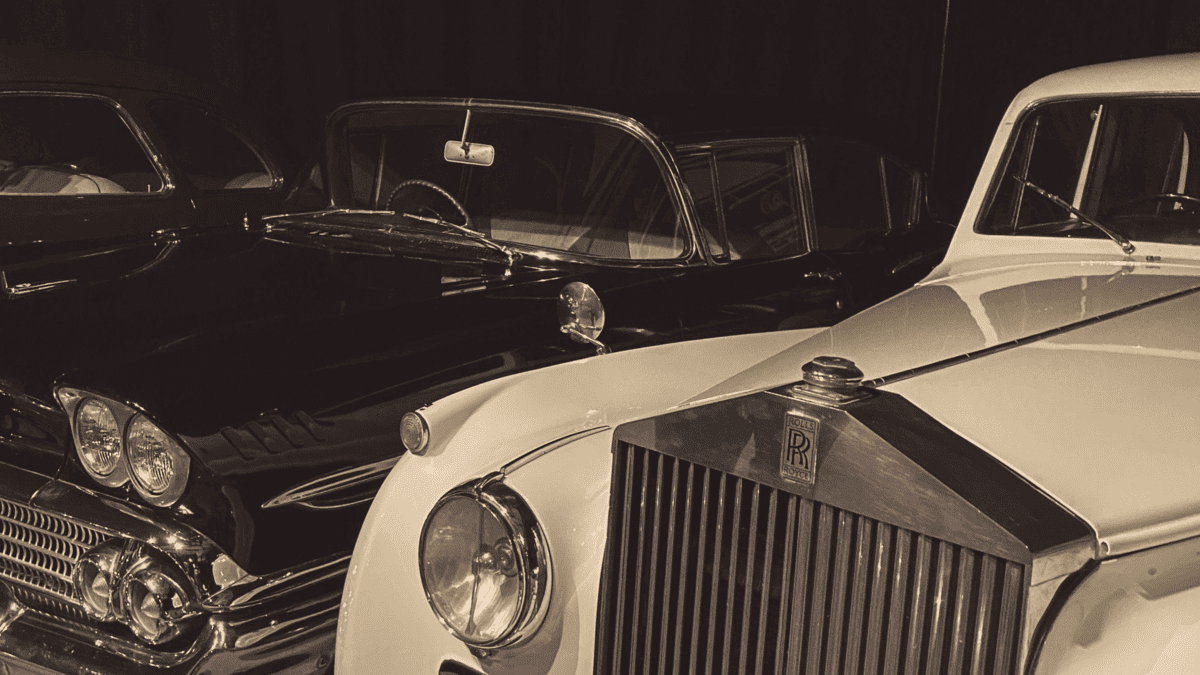
    To build a collection of historic automobiles is to acquire art defined by motion, engineering, and heritage. For the discerning enthusiast, entering the collector market demands a blend of passionate curation and analytical rigor. Whether drawn to mid-century European grand tourers or rare pre-war coachwork, this Classic Vintage Cars Buying Guide provides a disciplined approach to navigating valuations, provenance, and long-term portfolio curation.

    1. Defining Your Curation Strategy

    Before acquiring your first vehicle, clarify the overarching purpose of your collection. Every vehicle requires dedicated stewardship, making intentional selection vital.

    • Pebble Beach-Quality Artifacts: Rare, highly original models with unbroken provenance intended for concours entry and capital preservation.
    • Weekend Touring Drivers: Well-maintained, mechanically sound examples restored to present beautifully while remaining roadworthy for rallies.
    • Historical Milestones: Vehicles representing pivotal moments in automotive design or motorsport history.

    2. Determining True Market Valuation

    Evaluating the price of a vintage automobile extends far beyond aesthetic appeal. The market operates on precise metrics where minor details yield significant shifts in valuation.

    Key Valuation Factors:

    1. Provenance & Chain of Ownership: Documented ownership history, celebrity connection, or competition lineage dramatically enhances desirability and value.
    2. Matching Numbers & Authenticity: Original chassis, engine, and gearbox serial numbers matching factory records form the bedrock of collector-grade valuation.
    3. Restoration Grade: Unrestored, original-paint “survivors” often command higher prices than fully restored examples due to their irreplaceable historic authenticity.

    3. Vehicle Evaluation Criteria Matrix

    When assessing a potential acquisition, utilize a structured inspection framework:

    CategoryHigh-Value Marker (Investment Grade)Red Flag (Capital Risk)
    DocumentationOriginal build sheet, service logs, continuous title historyGaps in ownership, missing VIN tags, bill of sale only
    BodyworkFactory panel gaps, original metalwork, no structural corrosionFrame rust, thick body filler (Bondo), overspray on trim
    MechanicalsStamped matching engine numbers, documented overhaul receiptsNon-period replacement engine, unverified structural modifications
    InteriorOriginal leather patina or period-correct NOS (New Old Stock) materialsIncorrect aftermarket vinyl, missing dashboard instrumentation

    4. Strategic Acquisition Channels

    Acquiring rare automobiles requires selecting the right venue based on your risk tolerance and required level of verification.

    “An acquisition made without independent specialist verification is not an investment; it is a speculative gamble.”

    • Premier Auction Houses: Houses such as Gooding & Company, RM Sotheby’s, and Bonhams provide global visibility and curated consignments, though buyer premiums apply.
    • Specialist Marque Dealers: Premier boutiques offer vetted inventory, consignment history, and room for thorough pre-purchase inspections.
    • Private Off-Market Sales: Accessing discreet private collections via marque clubs often yields the highest-quality vehicles before they reach open markets.

    Essential Steps Before Signing

    Leverage this ultimate checklist to finalize your acquisition using our Classic Vintage Cars Buying Guide principles:

    1. Commission a Marque Specialist: Retain an independent expert to conduct a thorough pre-purchase inspection.
    2. Verify Title Legality: Confirm the Vehicle Identification Number (VIN) aligns across the frame, engine block, and legal registration documents.
    3. Secure Agreed-Value Insurance: Partner with specialized collector insurers (e.g., Hagerty) to protect the asset at its appraised market worth.

  • Luxury Home Interior Design: How to Incorporate Vintage Aesthetics Into Modern Living

    Luxury Home Interior Design: How to Incorporate Vintage Aesthetics Into Modern Living

    True luxury in contemporary spaces lies in the art of restraint. Rather than filling a home with sterile modern minimalism or overly ornate historical replicas, the most compelling spaces tell a rich, multi-layered story. Achieving balance in Luxury Home Interior Design requires a thoughtful dialogue between sleek modern architecture and the patina of carefully curated vintage pieces.

    When executed with precision, blending vintage aesthetics with modern living creates an environment that feels both grounded and deeply sophisticated—the ultimate expression of quiet luxury.

    The Core Principles of Blending Eras

    Integrating antiques into contemporary architecture demands intentionality. To keep the space feeling tailored rather than cluttered, focus on a few guiding principles:

    • The Power of Contrast: Pair clean-lined contemporary furniture with textured, historic accents. A sleek Italian velvet sofa positioned against a restored mid-century wooden side table elevates both elements.
    • Proportion and Scale: Vintage pieces often carry different proportions than contemporary furniture. Ensure substantial architectural pieces—like an antique gilded mirror or an apothecary chest—anchor the room without overwhelming the layout.
    • A Unified Color Palette: Unify disparate eras through a cohesive, neutral color foundation. Earthy taupes, soft creams, warm grays, and muted stone tones allow vintage textures to shine without visual dissonance.

    Selecting Timeless Vintage Elements

    To elevate your Luxury Home Interior Design, select vintage items that offer superior craftsmanship and enduring character.

    “Luxury is not about abundance; it is about the presence of items that carry history, purpose, and unmistakable craftsmanship.”

    1. Mid-Century and Art Deco Statement Lighting

    Lighting serves as the sculpture of interior design. Incorporating a vintage Italian Murano glass chandelier or a 1950s French brass floor lamp introduces warmth and architectural interest to a contemporary living room.

    2. Heritage Textiles and Architectural Fragments

    Hand-knotted Persian rugs, aged linen drapery, or reclaimed wood beams bring tactile depth to modern concrete or plaster walls. These materials age gracefully, adding an authentic warmth that brand-new materials simply cannot replicate.

    3. Curated Art and Provenance-Rich Accessories

    Opt for oil paintings in aged frames, hand-carved stone vessels, or mid-century bronze sculptures. Placing vintage artwork within modern matte framing provides an instant touch of gallery-like curation.

    Material Harmony: Modern vs. Vintage Texture Matrix

    Design ComponentModern ElementVintage PairingVisual Result
    FlooringPolished concrete or wide-plank oakAntique muted Persian rugWarm, grounded elegance
    SeatingMinimalist low-profile sofaVintage Pierre Jeanneret armchairTactile historical contrast
    SurfacesSleek quartz or honed marble countersHand-milled antique wooden dough bowlOrganic, artisanal balance
    LightingArchitectural recessed LED lightingRestored 1970s brass pendantSculptural focal point

    Mastering the Craft of Quiet Luxury

    Ultimately, mastering luxury home interior design is about curating a space that reflects character over trends. By honoring the patina of the past while preserving the functionality of modern architecture, your home transforms into an enduring sanctuary of refined living.

  • Best Premium Golf Clubs: High-End Equipment for the Discerning Golfer

    Best Premium Golf Clubs: High-End Equipment for the Discerning Golfer

    True luxury on the fairways is never loud. It does not rely on ostentatious branding or fleeting market trends; rather, it manifests in the subtle acoustic feedback at impact, the hand-milled precision of a topline, and the effortless distance born from uncompromising metallurgy. For players who treat the game as both an art and a discipline, acquiring the Best Premium Golf Clubs is an exercise in seeking perfection without pretense.

    In an era dominated by mass-market manufacturing, high-end golf equipment stands apart through bespoke craftsmanship, rare materials, and exact engineering. Here is an exploration of the finest golf gear tailored for the discerning player.

    The Elements of Refined Golf Engineering

    Selecting the Best Premium Golf Clubs requires an appreciation for details that often escape the untrained eye. What elevates a set from standard tour-grade equipment to the realm of true luxury?

    • Forged Japanese Steel: Renowned for exceptional soft feel, premium irons frequently utilize S20C or S25C carbon steel, grain-flow forged by master craftsmen (Takumi) to eliminate internal voids.
    • Bespoke Fitting & Analytics: Elite equipment is never purchased off the rack. Precision weight tuning, custom shaft frequency matching, and exact lie angle adjustments ensure the club operates as an extension of the golfer’s natural swing.
    • Minimalist Aesthetics: Understated finishes—such as satin chrome, matte black PVD, or raw antique bronze—replace flashy graphics, offering a clean, distraction-free profile at address.

    Top Categories of High-End Golf Equipment

    To curate a bag that delivers unmatched feel and acoustic feedback, discerning players look across dedicated artisans and specialized workshops.

    1. Master-Forged Irons

    When seeking the Best Premium Golf Clubs for shot-shaping and feel, hand-forged blades and compact cavity backs remain unrivaled. Brands like Miura and Honma BERES emphasize traditional Japanese forging techniques, yielding dense, buttery feedback on solid strikes. These irons prioritize grain structure over artificial inserts, providing pure distance control for experienced ball-strikers.

    2. Micro-Milled Putters & Tour Prototypes

    Greens are where matches are won and lost. Luxury putters—such as hand-milled offerings from Scotty Cameron Circle T or T.P. Mills—utilize single-block 303 stainless steel or German Stainless Steel (GSS). The precise deep-face milling produces a soft roll, predictable speed, and an understated elegance that inspires quiet confidence on every line.

    3. Ultra-Premium Drivers & Woods

    High-end metalwoods seamlessly blend carbon-fiber crown architecture with exotic titanium faces (such as DAT55G). Modern tour-level drivers focus on ultra-low center of gravity (CG) placement and customizable perimeter weighting, delivering high launch and low spin without compromising acoustics.

    Evaluating the Best Premium Golf Clubs for Your Game

    CriteriaStandard Performance GearPremium & Bespoke Golf Clubs
    Material QualityCast stainless steel / standard carbonGrain-flow forged carbon steel, GSS, grade 5 titanium
    ManufacturingAutomated mass productionLimited-run precision milling & hand-finishing
    CustomizationStandard lie/loft adjustmentsFrequency-matched, micro-weighted shaft pairing
    AestheticsHigh-contrast branding & decalsMinimalist toplines, subtle logo placement

    The Value of Uncompromising Precision

    Investing in the Best Premium Golf Clubs is ultimately a commitment to your passion for the game. Beyond the technological advantages—forgiveness across the face, optimized launch angles, and tight dispersion—lies the subtle satisfaction of wielding equipment crafted without compromise. When design purity meets personal fitting, every round becomes an elevated experience.