

REFINING THE MODERN GENTLEMAN

Insights and inspiration for the modern standard.

A curated journal on style, culture, and the pursuit of quality.

Category: Details

  • Mechanical vs. Quartz: Investing in Your First Luxury Dress Watch

    Mechanical vs. Quartz: Investing in Your First Luxury Dress Watch

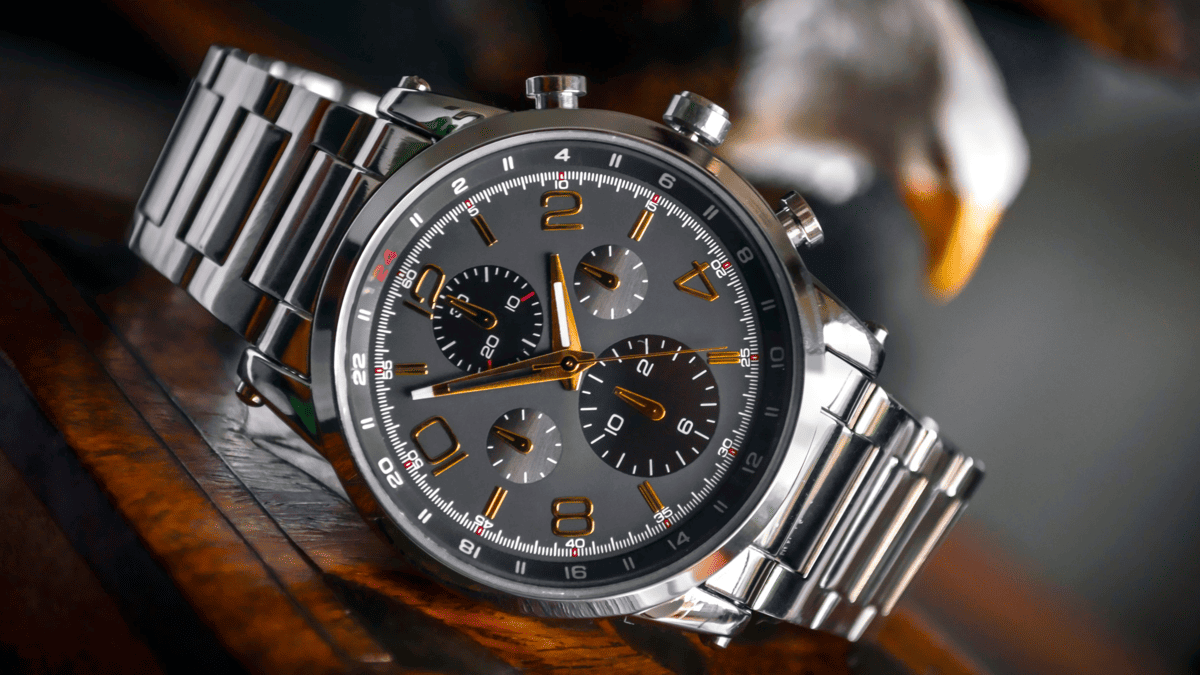
    Acquiring your first luxury timepiece is a milestone that marks both personal achievement and an appreciation for fine craftsmanship. When entering the world of haute horology, however, collectors invariably face a pivotal debate: Mechanical vs. Quartz. While both options yield exceptional elegance, understanding the nuanced differences between these movements ensures your choice reflects your lifestyle, values, and long-term aesthetic vision.

    The Mechanical Movement: Horological Tradition and Artistry

    For centuries, mechanical watchmaking has represented the absolute pinnacle of micro-engineering. Powered by a tightly wound mainspring rather than an electronic battery, a mechanical movement relies on hundreds of tiny components working in harmonious synchronization.

    • Craftsmanship: Every gear, bridge, and lever is meticulously finished, often by hand. Because of this dedication to tradition, wearing a mechanical watch offers a tangible connection to historic artisans.
    • The Sweep: One of the most enchanting elements of a mechanical piece is the smooth, continuous sweep of the second hand across the dial, which contrasts sharply with the distinct tick of electronic movements.
    • Longevity: A fine mechanical watch can endure for generations, provided it undergoes periodic servicing. Because its components can be machined or restored by skilled horologists, it rarely becomes obsolete.

    However, traditional mechanical movements require attentiveness. Manual-wind models require regular winding, whereas automatic variants rely on the kinetic motion of your wrist to maintain power. Furthermore, because mechanical components are susceptible to gravity and magnetic fields, they may gain or lose a few seconds each day.

    The Quartz Movement: Uncompromised Precision and Modern Reliability

    Introduced in the late twentieth century, quartz technology revolutionised timekeeping by utilizing a tiny quartz crystal powered by a battery. When an electrical current passes through the crystal, it vibrates at an extraordinarily precise frequency, ensuring flawless accuracy.

    • Flawless Precision: Quartz movements are remarkably accurate, typically gaining or losing only a few seconds per month.
    • Effortless Wear: Because a quartz watch does not require daily movement or winding, it is ready to wear at a moment’s notice—ideal for high-rotation wardrobes.
    • Slender Profiles: Because quartz calibres require fewer mechanical layers, watchmakers can craft extraordinarily thin cases, which slide effortlessly beneath a tailored shirt cuff.

    However, purists sometimes view quartz pieces as lacking the traditional mechanical soul. Nevertheless, top-tier luxury houses craft quartz dress watches with precious metals, exquisite hand-finished dials, and hand-set gemstones, ensuring they command immense respect.

    Key Factors for Your First Luxury Investment

    ConsiderationMechanical WatchQuartz Watch
    AccuracyHigh ($\pm 2-6$ seconds per day)Exceptional ($\pm 15$ seconds per month)
    MaintenanceFull service every 3–5 yearsBattery replacement every 2–4 years
    Heritage ValueExceptional heirloom potentialPractical elegance with lower upkeep
    Wearing StyleIdeal for daily appreciationPerfect for low-maintenance sophistication

    Making the Choice

    When deciding on Mechanical vs. Quartz, your personal rhythm should dictate your choice. If you value centuries of heritage, complex mechanics, and the romantic ritual of winding a timepiece, a mechanical dress watch is an unbeatable choice. Conversely, if you prioritise sleek comfort, precise reliability, and effortless daily elegance, a luxury quartz watch delivers unmatched convenience.

    Ultimately, your first luxury dress watch is far more than a tool for keeping time—it is a personal signature that subtly communicates your appreciation for quality and quiet sophistication.

  • Iconic Men’s Sunglasses: Classic Eyewear Brands Worth Investing In

    Iconic Men’s Sunglasses: Classic Eyewear Brands Worth Investing In

    True style requires no proclamation; it relies on discernment, proportion, and quiet distinction. While trends flare up and fade with every passing season, a pair of carefully crafted, iconic men’s sunglasses remains an enduring signature of masculine elegance. Eyewear sits at the center of personal presentation, serving as the rare accessory that blends sculptural form, protective utility, and tactile luxury.

    When curating an investment-grade wardrobe, selecting eyewear crafted by legacy houses ensures superior optic clarity, hand-finished acetate, and effortless longevity. Below is a guide to the defining classic eyewear brands and the timeless silhouettes worth owning.

    At a Glance: Heritage Eyewear Houses

    For the modern connoisseur, these classic eyewear houses represent the pinnacle of artisanal construction, subtle branding, and design legacy:

    Eyewear HouseOrigin & Founding YearSignature SilhouetteDefining Craft Technique
    PersolTurin, Italy (1917)714 Folding / 649 SeriesMeflecto flexible stem system, hand-curved acetate
    Oliver PeoplesLos Angeles, USA (1987)Gregory Peck / Cary GrantSubtle vintage filigree, logo-free frames
    Jacques Marie MageLos Angeles, USA (2014)Dealani / MolinoHand-carved 10mm Japanese block acetate, micro-production
    MOSCOTNew York City, USA (1915)Lemtosh / MiltzenReal rivet construction, five-barrel hinges
    MatsudaTokyo, Japan (1967)Wire-Frame AviatorIntricate hand-engraved titanium, Japanese hand-finishing

    Essential Brands Shaping Iconic Men’s Sunglasses

    1. Persol: Italian Architectural Precision

    Founded in Turin in 1917 to craft eyewear for aviators and drivers, Persol remains a pillar of quiet luxury. Renowned for its patented Meflecto system—flexible nylon cylinders built into the temples for custom comfort—Persol’s designs feature the iconic Silver Arrow hinge. The Persol 714, famously worn by Steve McQueen, offers a foldable frame that effortlessly tucks into a tailored coat pocket.

    2. Oliver Peoples: Understated Intellectualism

    Born on Sunset Boulevard, Oliver Peoples rejected the oversized, logo-heavy trends of the late 1980s in favor of understated retro aesthetics. Free from external branding, frames like the Gregory Peck and Cary Grant showcase clean geometric proportions, warm tortoiseshell acetates, and subtle custom filigree embedded within the core wire.

    3. Jacques Marie Mage: Micro-Production Artistry

    For those seeking true exclusivity, Jacques Marie Mage (JMM) operates on an ethos of limited-batch production. Crafted in Japan using dense 10mm plant-based acetate, JMM frames possess weight, depth, and sculptural bevels. Models like the Enzo and Molino offer a refined, commanding presence without relying on overt emblems.

    4. MOSCOT: Heritage Lower East Side Craft

    With over a century of optic heritage, family-owned MOSCOT has shaped American eyewear culture since 1915. The key to MOSCOT’s enduring appeal lies in traditional construction: real rivets pinned through acetate, sturdy multi-barrel hinges, and time-tested silhouettes like the keyhole-bridge Lemtosh.

    5. Matsuda: Artisanal Japanese Metallurgy

    Combining traditional Japanese metalwork with forward-thinking design, Matsuda creates frames made from premium titanium, sterling silver, and solid gold detailing. Each pair requires hundreds of manual steps, resulting in delicate hand-engraved side shields and vintage-inspired wire structures that speak quietly to connoisseurs of fine craftsmanship.

    3 Classic Silhouettes That Transcend Eras

    Investing in iconic men’s sunglasses requires understanding which frame shapes harmonize with your personal style and face structure:

    1. The Acetate Wayfarer / D-Frame: Featuring a bold, square-off brow, this shape structures round or oval faces. Rendered in dark Havana tortoiseshell or deep black, it transitions seamlessly from business attire to off-duty weekend ensembles.
    2. The Keyhole Bridge Round Frame: Defined by a distinctive notch at the bridge, round acetate frames soften strong jawlines and lend an intellectual, sartorial finish to tailored looks.
    3. The Teardrop or Square Aviator: Originally built for aviation, modern luxury aviators replace thin wire frames with refined Japanese titanium or hand-carved acetate, delivering an authoritative yet understated aesthetic.

    Care Tip for Fine Eyewear: Never leave luxury acetate sunglasses on a car dashboard under direct heat, as high temperatures can warp hand-molded frames. Always store them in a hard leather case with a microfiber cloth.

    Key Criteria for Luxury Eyewear Quality

    When evaluating high-end eyewear, prioritize these construction indicators over brand recognition:

    • Custom Acetate: Premium frames use cured cotton-based cellulose acetate, which feels warm against the skin, holds adjustments, and displays deep color variation.
    • Mineral Glass Lenses: Superior to standard polycarbonate, mineral glass lenses resist scratching, reduce distortion, and offer crystal-clear optical depth.
    • Pinned Hinges: Look for hinges that are riveted directly into the frame rather than heat-pressed into plastic, ensuring decades of smooth movement.

    Frequently Asked Questions

    What makes sunglasses “iconic”?

    An iconic pair of sunglasses features a silhouette that has maintained cultural relevance across decades, relying on superior proportional harmony, historic pedigree, and craftsmanship rather than fleeting trendiness.

    Are luxury mineral glass lenses better than plastic lenses?

    Yes. Mineral glass lenses offer superior optical clarity and exceptional scratch resistance. While slightly heavier than plastic, high-end optical glass provides crisp, distortion-free vision that lasts for years without degrading.

    How do I choose the right frame size for my face?

    Look for two key fit indicators: the frame width should align with the width of your temples, and your eyes should sit in the horizontal center of each lens. A proper optical fit ensures the sunglasses enhance your face shape naturally.