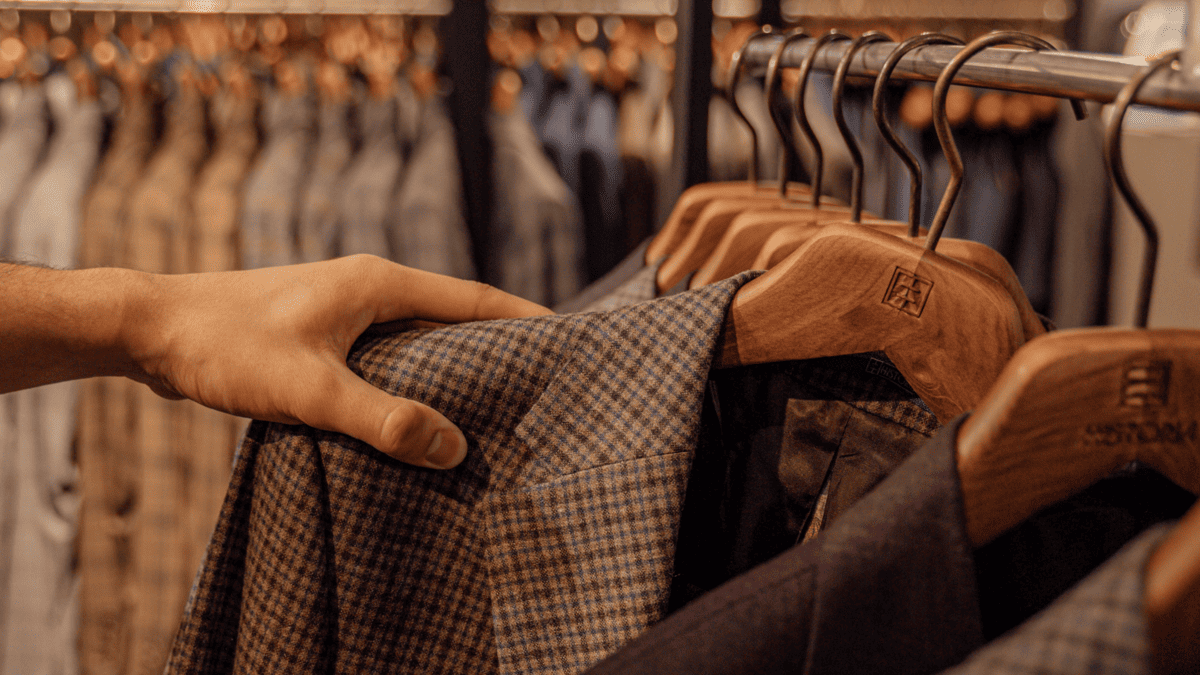


REFINING THE MODERN GENTLEMAN

Insights and inspiration for the modern standard.

A curated journal on style, culture, and the pursuit of quality.

Author: Nick Lotto

  • Best Luxury Hotel Booking Sites: Planning the Perfect High-End Weekend Getaway

    Best Luxury Hotel Booking Sites: Planning the Perfect High-End Weekend Getaway

    A truly exceptional weekend getaway relies heavily on where you stay and how you book. When planning a quick two- or three-night retreat, there is no time to waste on subpar rooms, delayed check-ins, or lack of attention to detail.

    While standard online travel agencies (OTAs) cater to volume and discounts, discerning travelers utilize elevated booking channels that unlock significant added value. Booking through the right platform can transform a simple hotel reservation into a VIP experience complete with complimentary suite upgrades, resort credits, and early arrival privileges.

    Here is a guide to the best luxury hotel booking platforms, preferred partner programs, and invitation-only networks designed for a high-end weekend escape.

    At a Glance: Top Luxury Booking Channels Compared

    Platform / NetworkPrimary StrengthIncluded VIP PerksBest Used For
    VirtuosoGlobal network of vetted luxury advisors$100 resort credit, daily breakfast, room upgradeBespoke weekend trips & boutique five-star stays
    Amex Fine Hotels + Resorts (FHR)Instant online booking for Platinum/Centurion holdersGuaranteed 4 PM late check-out, $100 experience creditSeamless weekend city breaks & iconic luxury brands
    Brand Preferred Partners (e.g., Four Seasons Preferred)Highest upgrade priority directly with the hotel brandPriority for space-available upgrades, custom welcomeStaying at specific ultra-luxury hotel collections
    The Leading Hotels of the World (LHW)Independent luxury and historic propertiesEarned room upgrades, daily breakfast, member ratesBoutique historic villas, châteaux, and independent hotels
    PrivateUpgradesSelf-serve online booking with confirmed VIP perksDaily breakfast, property credits, room upgradesQuick, self-directed luxury hotel bookings

    1. Virtuoso: The Gold Standard in Luxury Travel Networks

    Virtuoso is an invite-only global network of elite travel advisors affiliated with over 2,200 of the world’s finest hotels, resorts, and private island retreats.

    Why It’s Ideal for Weekend Getaways

    Unlike automated search engines, booking through a Virtuoso advisor establishes a personal link with the hotel’s general manager. For a short weekend stay where every hour counts, this direct connection often secures early morning check-in and late afternoon departure.

    Standard Virtuoso Amenities Included:

    • Complimentary daily breakfast for two.
    • A $100 USD equivalent resort, spa, or dining credit per stay.
    • Room or suite upgrade upon arrival (subject to availability).
    • Early check-in and guaranteed or flexible late check-out.

    2. American Express Fine Hotels + Resorts (FHR)

    For cardholders of the American Express Platinum or Centurion cards, the FHR program is one of the most efficient digital platforms for reserving luxury accommodations.

    Why It’s Ideal for Weekend Getaways

    The standout benefit of FHR for a brief weekend trip is its guaranteed 4:00 PM late check-out. Standard hotel check-outs at 11:00 AM effectively cut your Sunday in half; a guaranteed 4:00 PM departure gives you an entire extra day to enjoy the pool, spa, or property grounds before heading home.

    Key FHR Perks:

    • Guaranteed 4:00 PM late check-out.
    • 12:00 PM early check-in when available.
    • Daily breakfast for two guests.
    • $100 experience credit (typically applied toward food and beverage or spa services).
    • Room upgrade upon arrival when available.

    3. Brand-Specific Preferred Partner Programs

    If you have a clear preference for a specific flagship hotel group—such as Four Seasons, Rosewood, Belmond, or St. Regis—booking through a travel advisor affiliated with that brand’s invitation-only program outperforms standard booking sites.

    Notable Preferred Programs:

    • Four Seasons Preferred Partner: Offers priority room upgrades above general OTA bookers, customized welcome amenities, and flexible credit usage.
    • Rosewood Elite: Unlocks bespoke property experiences, room upgrades, and dedicated management recognition throughout your stay.
    • Marriott STARS & Luminous: Applies to high-end brands like Ritz-Carlton, St. Regis, and EDITION, providing breakfast, property credits, and status night accrual.
    • Hyatt Privé: Unlocks benefits at Park Hyatt, Andaz, and Alila properties, including confirmed upgrades within 24 hours of booking at eligible rates.

    4. Leaders Club by The Leading Hotels of the World (LHW)

    If your weekend aesthetic leans toward historic boutique properties, family-owned châteaux, or architectural design hotels, LHW offers a curated collection of over 400 independent luxury properties globally.

    Why It’s Ideal for Weekend Getaways

    Unlike major corporate chains, LHW properties reflect deep local heritage and individual character. Joining their Leaders Club loyalty program unlocks member-only rates, room upgrade priority, and complimentary continental breakfast for two every morning—making short stays feel intimate and deeply atmospheric.

    Strategies for Maximizing a Luxury Weekend Stay

    To get the highest value out of a quick high-end escape, consider these three tactical steps:

    1. Leverage Non-Public Perks: Avoid booking standard non-refundable rates on aggregate sites. Preferred advisor and cardholder rates match the hotel’s best flexible rate while adding $200–$300 worth of daily breakfasts, upgrades, and property credits.
    2. Inform the Hotel of Special Occasions: Luxury properties excel at personalized hospitality. Always note whether your weekend getaway coincides with an anniversary, birthday, or quiet celebration; it frequently results in complimentary champagne or bespoke room amenities.
    3. Use Property Credits for Arrival/Departure Dining: Utilize your $100 resort credit for an arrival lunch or a relaxed Sunday brunch before check-out to maximize your time on property without extra out-of-pocket expense.

    Frequently Asked Questions

    Is it better to book luxury hotels directly or through a luxury agent?

    Booking through a luxury travel advisor affiliated with Virtuoso or brand-preferred programs (like Four Seasons Preferred) generally yields better perks than standard direct online bookings. You pay the same flexible rate as direct booking, but gain complimentary breakfast, room upgrades, and on-property credits.

    Do I earn hotel loyalty points when booking through Virtuoso or Amex FHR?

    Yes. Unlike stays booked through third-party discount sites (like Expedia or Booking.com), stays reserved via Virtuoso, Amex Fine Hotels + Resorts, or brand-preferred programs are considered eligible rates that earn standard hotel loyalty points and elite night credits.

    What is the advantage of a preferred partner program over a credit card portal?

    Preferred partner programs (such as Rosewood Elite or Hyatt Privé) sit at the top of a hotel’s internal priority list. When space is tight, hotels prioritize room upgrades and early check-ins for preferred partner bookings over those originating from automated credit card portals.

  • Luxury Vacation Rentals: How to Book Exclusive Historic Villas and Private Estates

    Luxury Vacation Rentals: How to Book Exclusive Historic Villas and Private Estates

    True luxury in travel is defined not by crowded grand hotels, but by complete autonomy, historical resonance, and absolute privacy. For those who value discretion and space, luxury vacation rentals—from 16th-century Tuscan estates to secluded Caribbean beachfront compounds—offer an unmatched sanctuary.

    Securing an exclusive villa or historic estate, however, requires an approach distinctly different from standard hospitality booking. Many of the world’s most prestigious properties are never listed on public platforms; they are held within private portfolios and accessed only through trusted channels.

    Below is an insider’s guide to navigating the high-end estate rental market with discernment and confidence.

    At a Glance: Key Considerations by Estate Type

    When selecting among high-end luxury vacation rentals, understanding property heritage and operational infrastructure ensures a seamless stay:

    Estate CategoryDistinctive FeaturesIdeal DestinationKey Vetting Focus
    Historic European VillasFrescoed ceilings, manicured gardens, centuries of heritageTuscany, Lake Como, Côte d’AzurModernized HVAC, ensuite bathroom ratios
    Private Island CompoundsTotal seclusion, dedicated staff, private dockageThe Grenadines, Bahamas, MaldivesHelicopter transfer access, on-site culinary team
    Alpine ChaletsSki-in/ski-out access, wellness spas, timber architectureCourchevel, Zermatt, AspenDedicated chalet manager, spa maintenance
    Coastal Country EstatesExpansive grounds, cliffside views, equestrian facilitiesMallorca, Algarve, English CountrysideSecurity perimeter, private chef arrangements

    4 Strategic Steps to Securing Exclusive Estates

    1. Work Through Specialist Agencies and Private Brokers

    The world’s most coveted historic properties prioritize owner privacy. Consequently, they avoid mass consumer booking platforms. Partnering with a dedicated luxury villa broker or specialized destination management company (DMC) grants access to off-market portfolios. These specialists maintain direct relationships with estate owners, ensuring verified quality and transparent terms.

    2. Audit the On-Site Staffing Model

    A private estate is only as remarkable as the team managing it. Before finalizing a reservation, clarify the exact level of service included. Premier luxury rentals usually offer optioned staffing—including a house manager, private executive chef, daily housekeeping, and dedicated concierge—allowing you to experience hotel-level service within total privacy.

    3. Verify Modern Comforts in Historic Architecture

    While a 17th-century French château offers incomparable charm, historic architecture can sometimes present functional limitations. Confirm that the restoration includes crucial modern amenities: high-speed fiber-optic connectivity, state-of-the-art climate control, modernized plumbing, and dedicated security infrastructure.

    4. Require Bespoke Itinerary & Provisioning Planning

    Unlike traditional hotel check-ins, an estate stay should be tailored weeks before your arrival. Coordinate with the estate manager to curate customized wine cellar stocking, dietary preferences for the private chef, airport tarmac transfers, and bespoke local excursions.

    Sartorial Travel Tip: When chartering or booking multi-week estate stays, request a detailed pre-arrival preferences dossier. Specifying everything from linen thread counts to favored espresso roasts guarantees an effortless transition into your temporary home.

    Pillars of an Exceptional Villa Experience

    To guarantee your stay meets the standards of quiet luxury, focus on three non-negotiable standards:

    1. Uncompromised Privacy: Ensure the property offers natural visual screening, secure gated perimeters, and discreet service staff quarters that preserve your family’s intimacy.
    2. Authentic Architectural Provenance: Look for properties that honor local heritage—whether through original stone masonry, antique furnishings, or restored formal gardens.
    3. Seamless Concierge Integration: The best property managers function as ultimate local gatekeepers, securing private museum viewings, off-market yacht charters, and exclusive vineyard access.

    Frequently Asked Questions

    How far in advance should I book high-end luxury vacation rentals?

    For peak seasons—such as July and August in the Mediterranean or festive holidays in the Caribbean and Alps—it is advisable to secure prime private estates 8 to 12 months in advance. Off-market historic properties often have returning seasonal guests who reserve dates years ahead.

    What is the difference between a managed villa and a fully staffed private estate?

    A managed villa typically provides basic maintenance, periodic housekeeping, and a remote concierge available on call. A fully staffed private estate includes dedicated, full-time on-site personnel—such as a personal chef, butler, house manager, and daily maid service—tailored entirely to your schedule.

    How do luxury villa brokers protect client privacy and security?

    Reputable luxury brokers utilize strict non-disclosure agreements (NDAs), encrypted communication channels, and secure payment protocols. Property addresses and private owner details are withheld until vetting and security clearances are complete.

  • Luxury Men’s Skincare Routine: A Minimalist Guide to High-End Grooming

    Luxury Men’s Skincare Routine: A Minimalist Guide to High-End Grooming

    In modern grooming, true luxury is defined by efficacy, tactile elegance, and efficiency. The era of overcomplicated, dozen-step regimens has given way to intentional minimalism—a philosophy that prioritizes high-performance formulations and targeted active ingredients over excessive layering.

    A high-end luxury men’s skincare routine should fit seamlessly into a disciplined lifestyle. By focusing on three to four multi-functional, science-backed products, you can maintain skin vitality, protect against environmental stressors, and preserve a healthy, understated complexion without spending unnecessary time in front of the mirror.

    At a Glance: The 4-Step Minimalist Regimen

    A refined skincare protocol requires only four foundational steps split between morning and evening rituals:

    Protocol PhaseCore ObjectiveKey Active IngredientsKey Benefit
    1. Gentle Purifying CleanserRemove impurities & excess sebumSalicylic acid, green tea, botanical extractsPreps skin without stripping natural moisture
    2. Antioxidant SerumProtect against UV/pollution damageVitamin C (L-Ascorbic), Ferulic Acid, NiacinamideBrightens tone & prevents premature aging
    3. High-Performance MoisturizerDeep hydration & barrier supportHyaluronic acid, squalane, ceramidesPlumps skin & locks in essential moisture
    4. Invisible Broad-Spectrum SPFShield against photoaging (AM only)Zinc oxide, titanium dioxide, antioxidantsPrevents fine lines & hyperpigmentation

    The Morning Protocol: Shield & Nourish

    The primary objective of your morning routine is protection. Environmental pollutants, blue light, and solar radiation generate free radicals that accelerate skin aging.

    Step 1: Cleanse with Care

    Begin with a gentle, non-foaming gel or cream cleanser. Avoid harsh sulfates that strip the skin’s natural lipid barrier. A high-end formula leaves the skin feeling refreshed, soft, and balanced rather than tight or dry.

    Step 2: Apply an Antioxidant Serum

    After patting your face dry, apply three to four drops of a potent Vitamin C serum. Antioxidants neutralize free radicals and work synergistically with your sunscreen to prevent hyperpigmentation and fine lines.

    Step 3: Hydrate & Protect

    Finish with a lightweight, broad-spectrum SPF 30+ moisturizer. Modern luxury formulations utilize micronized zinc oxide or advanced chemical filters that absorb instantly into the skin, leaving a matte, invisible finish free of chalky white residue.

    Grooming Note: Apply sunscreen to your neck and the backs of your hands—areas that reveal signs of photoaging just as quickly as the face.

    The Evening Protocol: Repair & Regenerate

    While you sleep, skin cell turnover peaks. Your evening routine should focus on gentle cellular renewal and deep hydration recovery.

    Step 1: Deep Cleansing

    Throughout the day, airborne pollutants, excess oil, and SPF accumulate on the skin. A thorough evening cleanse purifies pores and prepares the skin to absorb overnight treatment products.

    Step 2: Targeted Repair (Retinoid or Peptide Complex)

    Introduce a high-end retinoid (Vitamin A derivative) or advanced peptide complex two to three nights a week. Retinoids stimulate collagen production and accelerate cell renewal, smoothing skin texture over time.

    Step 3: Barrier-Restoring Night Cream

    Conclude with a richer, ceramide-infused night moisturizer. Formulated with biomimetic lipids and hyaluronic acid, a rich evening cream fortifies the skin barrier while you sleep, ensuring you wake up with restored, resilient skin.

    3 Pillars of High-End Grooming

    To ensure your luxury men’s skincare routine yields maximum return on investment, adhere to these fundamental practices:

    1. Prioritize Active Concentrations over Branding: Look for clinical-grade formulations that disclose active ingredient percentages (e.g., 10–15% Vitamin C, 2% Niacinamide, or 0.5% Retinol).
    2. Consistency Outweighs Intensity: Skincare results are cumulative. A simple three-step routine performed consistently twice daily yields far better results than sporadic, complex treatments.
    3. Respect Skin Texture Variations: Male skin is typically up to 20% thicker than female skin and contains a higher density of sebaceous glands. Opt for lightweight, fast-absorbing fluid textures that hydrate without feeling heavy or greasy.

    Frequently Asked Questions

    Why is a minimalist skincare routine better for men?

    A minimalist routine reduces the risk of skin irritation caused by layering too many active ingredients simultaneously. Focusing on three to four high-quality, multi-functional products ensures better consistency, healthier skin barrier integrity, and maximum efficacy.

    How long does it take to see results from a luxury skincare routine?

    Immediate hydration and skin softening occur within days. However, structural improvements—such as smoother texture, reduced fine lines, and even tone from Vitamin C or retinoids—typically require 6 to 8 weeks of consistent use, aligning with the skin’s natural 28-day turnover cycle.

    Do men really need a separate sunscreen if their moisturizer has SPF?

    If your daily moisturizer contains broad-spectrum SPF 30 or higher and you apply a sufficient amount, it provides adequate daily protection. However, dedicated broad-spectrum sunscreens often offer superior water resistance and broader defense against UVA/UVB rays during extended outdoor exposure.

  • Niche Men’s Colognes: Masculine Scents That Will Never Go Out of Style

    Niche Men’s Colognes: Masculine Scents That Will Never Go Out of Style

    A signature scent is the invisible anchor of personal style. Long after a conversation ends or a room empties, a captivating fragrance remains in the memory—a quiet, powerful statement of identity. For the discerning gentleman, off-the-shelf designer colognes often feel too ubiquitous, loud, or fleeting. Instead, true distinction lies in the world of niche men’s colognes: hand-blended, heritage-driven fragrances crafted with rare raw materials and uncompromising artistry.

    Selecting an enduring niche fragrance is not about following temporary olfactory fads. It is an investment in timeless elegance—a subtle layer of distinction that complements sharp tailoring and quiet confidence.

    At a Glance: Timeless Niche Fragrance Profiles

    For quick reference, these masterfully crafted niche colognes represent iconic scent profiles that transcend seasonal trends:

    Perfume House & ScentPrimary Olfactory FamilyHero NotesIdeal Occasion & Season
    Penhaligon’sSartorialClassic Modern FougèreOakmoss, lavender, leather, beeswaxBusiness, formal tailoring, autumn/spring
    Floris LondonNo. 89Quintessential Citrus WoodyOrange, bergamot, cedarwood, lavenderTraditional daytime wear, spring/summer
    DiptyqueTam DaoCreamy WoodyGoan sandalwood, cedar, cypress, rosewoodEvening leisure, relaxed smart-casual, year-round
    Frederic MalleVetiver ExtraordinaireRefined Earthy GreenHaitian vetiver, pink pepper, cedar, oakmossHigh-level meetings, spring/summer daytime
    Santa Maria NovellaTobacco ToscanoWarm Amber LeatherTuscan tobacco leaf, vanilla, amber, maltCold-weather evenings, intimate gatherings

    5 Iconic Niche Men’s Colognes Detailed

    1. Penhaligon’s — Sartorial

    Inspired by the scents of Norton & Sons’ legendary Savile Row tailoring workshop, Sartorial is an architectural homage to classic British style. Perfumer Bertrand Duchaufour recreated the atmosphere of a tailor’s room—combining traditional fougère elements like lavender and oakmoss with unexpected accents of beeswax, metallic steam, and soft leather. It is crisp, structured, and inherently polished.

    2. Floris London — No. 89

    With a royal warrant and a lineage dating back to 1951, No. 89 by Floris London stands as a monumental landmark in British perfumery. Renowned as the signature scent of Ian Fleming (and by extension, James Bond), this cologne opens with bright bergamot and orange before easing into a heart of lavender and neroli, anchored by warm sandalwood and oakmoss.

    3. Diptyque — Tam Dao

    For those who prefer dry, woody elegance over sweet or heavy spices, Diptyque’s Tam Dao is a masterwork. Centered on precious Goan sandalwood, cypress, and Asian rosewood, this scent captures the memory of sacred Vietnamese temples. It sits close to the skin, projecting a calm, balanced atmosphere that feels earthy yet impeccably clean.

    4. Editions de Parfums Frederic Malle — Vetiver Extraordinaire

    Vetiver is one of the most traditional pillars of masculine perfumery, but Dominique Ropion elevated it to an art form with Vetiver Extraordinaire. Containing an unusually high concentration of natural Haitian vetiver (nearly 25%), this scent strips away harsh smokiness in favor of clean, woody vibrancy balanced by pink pepper, bergamot, and cedar.

    5. Officina Profumo-Farmaceutica di Santa Maria Novella — Tobacco Toscano

    Originating from the world’s oldest apothecary in Florence, Tobacco Toscano takes inspiration from famous Tuscan cigars. Rather than feeling heavy or burnt, it combines velvety tobacco leaves with soft vanilla, amber, and light leather notes. It offers a cozy, aristocratic warmth ideal for cooler months.

    The Art of Selecting an Enduring Scent

    Navigating niche men’s colognes requires an understanding of how raw materials interact with climate, occasion, and personal presence. Consider these foundational guidelines:

    1. Focus on Structural Balance: A classic fragrance should evolve gracefully. Look for compositions where bright top notes (such as bergamot, citrus, or herbs) seamlessly transition into grounding base notes (such as vetiver, sandalwood, cedar, or oakmoss).
    2. Respect the Power of Restraint: True luxury does not demand attention across a room. A high-quality niche scent should create a subtle aura around the wearer, inviting closer connection rather than overpowering the senses.
    3. Allow the Dry-Down to Speak: High concentrations of natural essential oils require time to settle on the skin. Allow a fragrance at least 30 to 60 minutes to interact with your body heat before determining its true character.

    Sartorial Principle: Your cologne should be an intimate detail discovered only when someone steps into your personal space—never an advance announcement of your arrival.

    Frequently Asked Questions

    What differentiates niche colognes from designer fragrances?

    Niche colognes are produced by dedicated, independent fragrance houses focused primarily on perfumery rather than mass fashion. They utilize higher concentrations of rare, natural essential oils, smaller production batches, and prioritize artistic expression over broad commercial market appeal.

    How do I ensure my niche fragrance lasts all day?

    Fragrance lasts longest on well-hydrated skin. Apply an unscented moisturizer or body oil to your pulse points (such as the neck, wrists, and inner elbows) before spraying. Avoid rubbing your wrists together after application, as friction can break down delicate top notes.

    Can niche colognes be worn year-round?

    While some versatile woody and fougère scents can be worn in any season, lighter citrus, green, and aquatic profiles generally perform best in spring and summer, whereas ric

  • Best Niche Fragrances for Men: Timeless Scents That Exude Sophistication

    Best Niche Fragrances for Men: Timeless Scents That Exude Sophistication

    In a world filled with mass-market colognes designed to dominate a room, true sartorial authority relies on restraint. A fragrance should never act as an aggressive announcement; rather, it should linger as a subtle, memorable signature. Discovering the best niche fragrances for men requires looking beyond mainstream retail counters toward artisanal perfume houses that prioritize rare raw ingredients, meticulous blending, and timeless composition over heavy marketing.

    Building an olfactory wardrobe around niche perfumery allows you to project quiet confidence and personal distinction. Below is a curated guide to legendary niche fragrances that define modern masculine elegance.

    At a Glance: Iconic Niche Masterpieces

    For quick reference, these standout compositions represent the pinnacle of artisanal perfumery across distinct scent families:

    Fragrance House & NameKey Olfactory ProfileDominant NotesIdeal Wearing Setting
    CreedGreen Irish TweedClassic Woody FougèreViolet leaf, Florentine iris, mysore sandalwoodBoardroom, daytime tailoring, spring occasions
    AmouageReflection ManPolished Floral WoodMay rose, neroli, orris root, cedarwoodBlack-tie events, formal evening wear, weddings
    Le LaboThé Noir 29Aromatic Woody LeafFig, bay leaf, bergamot, cedarwood, black teaCreative professional settings, autumn evenings
    Maison Francis KurkdjianGentle Fluidity SilverMetallic Fresh AromaticJuniper berries, nutmeg, coriander, amber woodsHigh-temperature summer days, sharp smart-casual
    Parfums de MarlyHaltaneAromatic Woody OudClary sage, lavender, saffron, praline, agarwoodCold-weather evenings, private lounge settings

    5 Essential Niche Fragrances Detailed

    1. Creed — Green Irish Tweed

    Considered by connoisseurs to be the gold standard of country-gentleman elegance, Green Irish Tweed captures the essence of the crisp countryside. Opening with vibrant cut grass, lemon verbena, and violet leaves, it gracefully evolves into a velvety heart of iris before settling into a warm base of ambergris and sandalwood. It is clean, tailored, and effortlessly aristocratic.

    2. Amouage — Reflection Man

    Where many masculine scents rely heavily on dark woods and smoke, Reflection Man redefines refined sophistication through pristine white florals and dry woods. An opening of red pepper berries and rosemary leads into a heart of jasmine and orris root. The dry-down—anchored by cedar, patchouli, and vetiver—remains structured, immaculate, and undeniably luxurious.

    3. Le Labo — Thé Noir 29

    An artistic study in subtle contrasts, Thé Noir 29 balances light and shadow. It pairs the sweetness of ripe fig and fresh bergamot with the dry, smoky depth of cedarwood, vetiver, and black tea leaves. It wears close to the skin, creating an aura of quiet intellect and tactile complexity that feels intimate rather than overwhelming.

    4. Maison Francis Kurkdjian — Gentle Fluidity Silver

    Crafted by master perfumer Francis Kurkdjian, this expression is an exercise in icy, crystalline precision. Bright, effervescent juniper berries and nutmeg deliver an immediate burst of vitality, while a core of coriander and soft amber woods provides structural warmth. It offers an immaculate “fresh shirt” aesthetic that elevates warm-weather tailored looks.

    5. Parfums de Marly — Haltane

    For cold-weather evenings when a richer profile is required, Haltane delivers refined warmth. It contrasts traditional aromatic herbal notes—such as clary sage and lavender—against an opulent heart of saffron and cedarwood. The addition of smooth, unrefined agarwood gives the scent a commanding presence without crossing into medicinal territory.

    The Pillars of Niche Fragrance Selection

    When selecting the best niche fragrances for men to complete your signature style, adhere to three core principles:

    1. Understand Fragrance Concentration: Opt for Eau de Parfum (EdP) or Extrait de Parfum formulations. Higher perfume oil concentrations ensure the fragrance sits closer to the skin, projecting softly over 8 to 12 hours rather than dispersing rapidly like lower-grade colognes.
    2. Prioritize Skin Chemistry over Blotters: High-end natural ingredients interact uniquely with individual skin chemistry, body heat, and moisture levels. Never judge a niche scent solely on paper test strips; test it on pulse points for a full day to observe its true evolution.
    3. Build a Seasonal Rotation: Match your scent’s weight to the climate. Fresh citrus, green, and aquatic profiles shine in spring and summer heat, whereas spicy, amber, and dark wood accords require cool autumn and winter air to unfurl properly.

    Olfactory Rule: The true luxury of a fragrance lies in its discovery by those who step close to you—never in its forced presence across a room.

    Frequently Asked Questions

    What makes a men’s fragrance “niche”?

    Niche fragrances are produced by boutique perfume houses dedicated exclusively to the art of olfaction, rather than commercial fashion designer brands. They prioritize artistic freedom, higher concentrations of rare natural oils, and limited production runs over mass appeal.

    How many sprays of a niche fragrance should I apply?

    Because high-end niche perfumes contain dense concentrations of raw oils, two to three sprays are typically sufficient. Apply to warm pulse points—such as the sides of the neck, behind the ears, or inner wrists—to allow body heat to gently diffuse the scent throughout the day.

    How should I store high-end niche perfumes?

    To protect delicate natural compounds from breaking down, store fragrance bottles in a cool, dark place away from direct sunlight, humidity, and drastic temperature swings (such as bathrooms). Kept properly, a fine perfume will preserve its olfactory integrity for many years.

  • Best Rare Bourbon Whiskey: Exceptional Bottles for Your Private Home Bar

    Best Rare Bourbon Whiskey: Exceptional Bottles for Your Private Home Bar

    In the realm of spirits, true luxury is measured not by ostentation, but by time, rarity, and character. Acquiring the best rare bourbon whiskey for a private home bar is an exercise in quiet appreciation—a pursuit where hand-selected oak, decades of patient maturation, and limited barrel yields converge to create unforgettable pours.

    For the discerning host or seasoned collector, a thoughtfully curated top shelf serves as both a conversation piece and a sanctuary of liquid history. Below is a definitive guide to the world’s most sought-after, highly allocated bourbon expressions worth acquiring for your collection.

    At a Glance: The Portfolio of Rare Bourbons

    A balanced selection of rare bourbons balances diverse mash bills (wheated, high-rye, and low-rye) along with varying barrel-aging conditions:

    Distilling House / LabelOriginExpression HighlightTasting Profile
    Pappy Van WinkleFrankfurt, KY15 Year / 20 Year Family ReserveAged oak, dried apricot, dark honey, silk vanilla
    George T. Stagg (BTAC)Frankfort, KYUncut & Unfiltered Barrel ProofDark chocolate, pipe tobacco, molasses, leather
    Eagle Rare 17 YearFrankfort, KYBuffalo Trace Antique CollectionToasted almond, orange peel, charred oak, butterscotch
    Michter’s CelebrationLouisville, KYSour Mash Cask Strength BlendDark cherry, crushed cacao, baking spice, espresso
    Old FitzgeraldBardstown, KYBottled-in-Bond Decanter SeriesWarm caramel, sweet wheat, toasted pecan, floral spice

    5 Exceptional Rare Bourbon Bottles to Secure

    1. Pappy Van Winkle Family Reserve 15 Year

    While the 20- and 23-year releases garner immense headline fame, connoisseurs often consider the 15-year expression the crown jewel of the Van Winkle portfolio. Made using a wheated mash bill rather than traditional rye, it delivers a softer, creamier mouthfeel. Fifteen years in charred Kentucky oak provide a harmonious equilibrium where wood tannins enhance—rather than overpower—the rich caramel and stone fruit notes.

    2. George T. Stagg (Buffalo Trace Antique Collection)

    For those who appreciate raw, intense character, George T. Stagg is an undisputed benchmark. Bottled uncut and unfiltered at barrel proof—often exceeding 130 proof—this high-rye bourbon aged for over 15 years offers unprecedented depth. A single drop of limestone-filtered water opens up complex waves of dark chocolate, leather, black cherry, and warm spice.

    3. Eagle Rare 17 Year Old

    A masterclass in restraint and elegance, Eagle Rare 17 Year Old represents the height of aged Kentucky straight bourbon. Released in limited quantities each autumn as part of the Buffalo Trace Antique Collection, its prolonged interaction with new American oak that imparts subtle notes of pipe tobacco, candied peel, and refined spice with a long, velvety finish.

    4. Michter’s 20 Year Single Barrel Kentucky Straight Bourbon

    Michter’s holds its barrel-aged stocks to exceptionally rigorous standards, often sacrificing yield for peak flavor maturation. Their 20-year single barrel bourbon is an extraordinarily rare allocation, offering a decadent tasting experience filled with notes of roasted nuts, dark espresso, crème brûlée, and lingering vintage oak.

    5. Old Fitzgerald Bottled-in-Bond (Decanter Series)

    Housed in a vintage-inspired glass decanter, Heaven Hill’s bi-annual Old Fitzgerald Bottled-in-Bond series pays homage to historic American distilling tradition. Meeting strict Bottled-in-Bond regulations (100 proof, aged in a bonded warehouse under government supervision for a single distilling season), this wheated bourbon presents notes of butterscotch, toasted pecan, and delicate floral vanilla.

    Curating and Serving Rare Whiskies

    To preserve and honor the world’s best rare bourbon whiskey within your private bar, keep these three guidelines in mind:

    1. Light & Temperature Discipline: Store high-value bottles upright in a dark, temperature-controlled environment away from direct sunlight to prevent UV degradation and cork decay.
    2. Select Proper Glassware: Ditch traditional heavy-bottomed tumblers when evaluating rare spirits. Use tulip-shaped Glencairn glasses or neat-tasting glasses that concentrate complex aromas toward the nose.
    3. Patience Over Ice: Avoid over-chilling rare, aged bourbons with standard ice, as low temperatures numb delicate flavor compounds. Allow the pour to sit in the glass for several minutes to breathe before adding a few drops of room-temperature mineral water if desired.

    Collector’s Insight: A rare bottle fulfills its true purpose only when uncorked. True luxury is found in sharing extraordinary spirits with those who appreciate the story inside the glass.

    Frequently Asked Questions

    What makes a bourbon “rare” or highly allocated?

    Bourbon rarity is driven by limited barrel yields, extended aging periods (where high evaporation or “angel’s share” reduces volume), and strict single-barrel or small-batch releases. Many legendary distilleries cap annual production to maintain quality, creating high demand among global collectors.

    What is the difference between wheated and high-rye rare bourbons?

    Wheated bourbons replace rye grain with soft winter wheat in the mash bill, resulting in a rounder, sweeter, and smoother flavor profile (e.g., Pappy Van Winkle, Old Fitzgerald). High-rye bourbons retain a peppery, spicy, and robust bite that balances the sweetness of corn (e.g., George T. Stagg).

    How long does an opened bottle of rare bourbon last?

    Once opened, a bottle of bourbon remains at peak quality for approximately one to two years, provided it is stored away from sunlight and excessive heat. As the liquid level drops below half, oxidation accelerates, so consider transferring the remaining liquid into smaller glass bottles to preserve flavor.

  • Premium Cigar Brands for Beginners: A Connoisseur’s Guide to Selection and Storage

    Premium Cigar Brands for Beginners: A Connoisseur’s Guide to Selection and Storage

    Entering the world of handmade cigars is less about indulgence and more about slowing down—a ritual of patience, craftsmanship, and quiet contemplation. For the novice, however, navigating a humidor filled with hundreds of vitolas, origins, and strength profiles can feel overwhelming.

    A common misconception is that a “beginner” cigar must be bland or inferior. In truth, true luxury lies in subtlety. The ideal starting point for any new enthusiast is a mild-to-medium-bodied cigar crafted with long-filler tobacco and aged leaves, offering rich, complex flavors without a harsh nicotine bite.

    Below is a curated guide to classic premium cigar houses suited for new palates, alongside essential principles for proper storage.

    5 Iconic Cigar Brands for Beginners

    When selecting your first cigars, focus on houses renowned for impeccable construction, consistency, and balanced flavor profiles:

    Brand & LineOriginWrapper TypeKey Flavor Notes
    Ashton ClassicDominican RepublicUS Connecticut ShadeAlmond, cashew, fresh cream, soft cedar
    Arturo Fuente Gran ReservaDominican RepublicEcuadorian Connecticut / NaturalToasted wood, light spice, vanilla
    Montecristo White SeriesDominican RepublicEcuadorian ConnecticutCocoa, hazelnut, subtle baking spice
    Davidoff Signature SeriesDominican RepublicEcuadorian ConnecticutWhite pepper, floral cream, oak, earth
    Macanudo CaféDominican RepublicUS Connecticut ShadeCedar, toasted oats, light coffee

    Understanding the Tasting Experience

    For a novice, the key to enjoying cigars is recognizing how wrapper leaves influence the flavor profile:

    1. Connecticut Shade (The Gold Standard for Beginners)

    Golden-tan in color, Connecticut wrappers are shade-grown under cheesecloth tents to keep the leaves silky, smooth, and low in harsh oils. They produce a mild smoke filled with notes of sweet cream, cedar, nuts, and buttered toast.

    2. Natural / Cameroon (The Step Up)

    Slightly darker with a reddish-brown hue, these wrappers add a layer of natural sweetness and delicate spice—such as nutmeg or cinnamon—without significantly increasing nicotine strength. The Arturo Fuente Hemingway or Gran Reserva lines excel here.

    Proper Storage: The Connoisseur’s Rule of 70/70

    A premium handmade cigar is a living product. Without proper humidity and temperature control, fine tobacco dries out, loses its essential oils, and burns hot and bitter.

    To preserve your cigars, adhere to the 70/70 Rule:

    • 70% Relative Humidity (RH): Keeps the tobacco pliant without causing mold or tight draws.
    • 70°F (21°C) Temperature: Prevents tobacco beetles from hatching and stops oils from degrading.

    Beginner-Friendly Storage Options

    1. Tupperdor (The Modern Essential): An airtight, food-grade plastic container combined with a two-way humidity pack (such as a 62% or 65% Boveda pack). It requires virtually zero maintenance and seals perfectly.
    2. Spanish Cedar Desktop Humidor: The traditional choice. Spanish cedar absorbs moisture, repels pests, and imparts an agreeable aroma to aging tobacco. It requires initial seasoning with distilled water before holding cigars.

    Sartorial Tip: Always cut your cigar using a sharp double-guillotine cutter just above the shoulder, and toast the foot gently with a butane torch or cedar spill rather than a petrol lighter to avoid contaminating the natural tobacco aroma.

    Frequently Asked Questions

    What size cigar should a beginner start with?

    A Robusto (typically 5 inches long with a 50 ring gauge) or a Corona (5.5 x 42) is ideal. They offer 45 to 60 minutes of cool, manageable smoke time without overwhelming the smoker.

    Should you inhale cigar smoke?

    No. Unlike cigarettes, cigar smoke is meant to be tasted in the mouth and retrohaled gently through the nasal passages to appreciate the delicate aromas of aged tobacco. Inhaling will lead to coughing and an uncomfortably high nicotine rush.

    How long can a cigar last outside a humidor?

    In standard ambient room air, a premium cigar will begin to lose its ideal moisture balance within 24 to 48 hours. If traveling, store your cigars in a sealed Ziploc bag with a two-way humidity pack or use a dedicated leather travel case.

  • Iconic Men’s Sunglasses: Classic Eyewear Brands Worth Investing In

    Iconic Men’s Sunglasses: Classic Eyewear Brands Worth Investing In

    True style requires no proclamation; it relies on discernment, proportion, and quiet distinction. While trends flare up and fade with every passing season, a pair of carefully crafted, iconic men’s sunglasses remains an enduring signature of masculine elegance. Eyewear sits at the center of personal presentation, serving as the rare accessory that blends sculptural form, protective utility, and tactile luxury.

    When curating an investment-grade wardrobe, selecting eyewear crafted by legacy houses ensures superior optic clarity, hand-finished acetate, and effortless longevity. Below is a guide to the defining classic eyewear brands and the timeless silhouettes worth owning.

    At a Glance: Heritage Eyewear Houses

    For the modern connoisseur, these classic eyewear houses represent the pinnacle of artisanal construction, subtle branding, and design legacy:

    Eyewear HouseOrigin & Founding YearSignature SilhouetteDefining Craft Technique
    PersolTurin, Italy (1917)714 Folding / 649 SeriesMeflecto flexible stem system, hand-curved acetate
    Oliver PeoplesLos Angeles, USA (1987)Gregory Peck / Cary GrantSubtle vintage filigree, logo-free frames
    Jacques Marie MageLos Angeles, USA (2014)Dealani / MolinoHand-carved 10mm Japanese block acetate, micro-production
    MOSCOTNew York City, USA (1915)Lemtosh / MiltzenReal rivet construction, five-barrel hinges
    MatsudaTokyo, Japan (1967)Wire-Frame AviatorIntricate hand-engraved titanium, Japanese hand-finishing

    Essential Brands Shaping Iconic Men’s Sunglasses

    1. Persol: Italian Architectural Precision

    Founded in Turin in 1917 to craft eyewear for aviators and drivers, Persol remains a pillar of quiet luxury. Renowned for its patented Meflecto system—flexible nylon cylinders built into the temples for custom comfort—Persol’s designs feature the iconic Silver Arrow hinge. The Persol 714, famously worn by Steve McQueen, offers a foldable frame that effortlessly tucks into a tailored coat pocket.

    2. Oliver Peoples: Understated Intellectualism

    Born on Sunset Boulevard, Oliver Peoples rejected the oversized, logo-heavy trends of the late 1980s in favor of understated retro aesthetics. Free from external branding, frames like the Gregory Peck and Cary Grant showcase clean geometric proportions, warm tortoiseshell acetates, and subtle custom filigree embedded within the core wire.

    3. Jacques Marie Mage: Micro-Production Artistry

    For those seeking true exclusivity, Jacques Marie Mage (JMM) operates on an ethos of limited-batch production. Crafted in Japan using dense 10mm plant-based acetate, JMM frames possess weight, depth, and sculptural bevels. Models like the Enzo and Molino offer a refined, commanding presence without relying on overt emblems.

    4. MOSCOT: Heritage Lower East Side Craft

    With over a century of optic heritage, family-owned MOSCOT has shaped American eyewear culture since 1915. The key to MOSCOT’s enduring appeal lies in traditional construction: real rivets pinned through acetate, sturdy multi-barrel hinges, and time-tested silhouettes like the keyhole-bridge Lemtosh.

    5. Matsuda: Artisanal Japanese Metallurgy

    Combining traditional Japanese metalwork with forward-thinking design, Matsuda creates frames made from premium titanium, sterling silver, and solid gold detailing. Each pair requires hundreds of manual steps, resulting in delicate hand-engraved side shields and vintage-inspired wire structures that speak quietly to connoisseurs of fine craftsmanship.

    3 Classic Silhouettes That Transcend Eras

    Investing in iconic men’s sunglasses requires understanding which frame shapes harmonize with your personal style and face structure:

    1. The Acetate Wayfarer / D-Frame: Featuring a bold, square-off brow, this shape structures round or oval faces. Rendered in dark Havana tortoiseshell or deep black, it transitions seamlessly from business attire to off-duty weekend ensembles.
    2. The Keyhole Bridge Round Frame: Defined by a distinctive notch at the bridge, round acetate frames soften strong jawlines and lend an intellectual, sartorial finish to tailored looks.
    3. The Teardrop or Square Aviator: Originally built for aviation, modern luxury aviators replace thin wire frames with refined Japanese titanium or hand-carved acetate, delivering an authoritative yet understated aesthetic.

    Care Tip for Fine Eyewear: Never leave luxury acetate sunglasses on a car dashboard under direct heat, as high temperatures can warp hand-molded frames. Always store them in a hard leather case with a microfiber cloth.

    Key Criteria for Luxury Eyewear Quality

    When evaluating high-end eyewear, prioritize these construction indicators over brand recognition:

    • Custom Acetate: Premium frames use cured cotton-based cellulose acetate, which feels warm against the skin, holds adjustments, and displays deep color variation.
    • Mineral Glass Lenses: Superior to standard polycarbonate, mineral glass lenses resist scratching, reduce distortion, and offer crystal-clear optical depth.
    • Pinned Hinges: Look for hinges that are riveted directly into the frame rather than heat-pressed into plastic, ensuring decades of smooth movement.

    Frequently Asked Questions

    What makes sunglasses “iconic”?

    An iconic pair of sunglasses features a silhouette that has maintained cultural relevance across decades, relying on superior proportional harmony, historic pedigree, and craftsmanship rather than fleeting trendiness.

    Are luxury mineral glass lenses better than plastic lenses?

    Yes. Mineral glass lenses offer superior optical clarity and exceptional scratch resistance. While slightly heavier than plastic, high-end optical glass provides crisp, distortion-free vision that lasts for years without degrading.

    How do I choose the right frame size for my face?

    Look for two key fit indicators: the frame width should align with the width of your temples, and your eyes should sit in the horizontal center of each lens. A proper optical fit ensures the sunglasses enhance your face shape naturally.

  • Luxury Men’s Outfits: How to Build a High-End Wardrobe of Lasting Value

    Luxury Men’s Outfits: How to Build a High-End Wardrobe of Lasting Value

    True luxury in masculine style is rarely loud. It resides in the subtle drape of hand-finished flannel, the whisper-soft feel of high-gauge cashmere, and the confidence of a perfectly tailored silhouette. Creating high-end luxury men’s outfits is not about chasing seasonal trends or displaying prominent designer logos—it is an art of intentional curation focused on enduring quality and inherent value.

    Building a wardrobe that retains its sartorial relevance over decades requires moving away from fast-paced fashion toward foundational excellence. Here is how to curate sophisticated ensembles that reflect quiet authority and uncompromised taste.

    The Anatomy of High-End Outfits

    To achieve an understated, elevated aesthetic, every outfit should balance texture, proportion, and tone. Rather than relying on bold patterns, high-end dressing focuses on how natural fabrics interact with light and movement.

    Outfit CategoryCore ComponentsEssential FabricsKey Aesthetic
    Sartorial FormalTwo-piece suit, crisp dress shirt, silk tieSuper 130s-150s wool, Sea Island cottonSharply tailored, authoritative
    Elevated Smart-CasualSoft blazer, pleated trousers, knit poloCashmere-silk blends, fine worsted woolEffortless, relaxed elegance
    Refined LeisureUnstructured jacket, selvedge denim, loafersHeavyweight linen, raw indigo cottonUnderstated, tactile luxury
    Transitional OuterwearSingle-breasted coat, ribbed sweater, tailored pantsWool-cashmere, vicuña, or alpacaProtective, textured sophistication

    Building 3 Signature Luxury Men’s Outfits

    1. The Monochromatic Smart-Casual Look

    Monochromatic dressing is one of the simplest ways to execute luxury men’s outfits with effortless sophistication. Combining subtle shades of navy, charcoal, or cream creates a sleek, continuous silhouette.

    • The Ensemble: A navy cashmere-silk zip sweater paired over a dark navy tailored shirt, complemented by deep navy tropical wool trousers.
    • The Footwear: Dark brown suede penny loafers with hand-stitched detailing.
    • Why It Works: The absence of harsh color contrast forces the focus onto the rich textures and impeccable fit of the garments.

    2. The Soft-Tailored Contemporary Ensemble

    Modern high-end style favors comfort without sacrificing structure. Soft tailoring eliminates stiff canvas and heavy shoulder padding, offering a relaxed yet refined profile.

    • The Ensemble: An unstructured grey herringbone tweed blazer worn over an off-white long-sleeve knit polo, paired with tailored mid-grey flannel trousers featuring side adjusters.
    • The Footwear: Hand-burnished espresso leather Chelsea boots.
    • Why It Works: It bridges the gap between formal suiting and casual wear, making it ideal for high-level business lunches or evening dinners.

    3. The Refined Weekend Outfit

    Off-duty attire should feel just as curated as businesswear. Elevated leisure relies on premium natural fibers that elevate casual silhouettes.

    • The Ensemble: A camel-colored double-faced cashmere overcoat layered over a charcoal merino wool crewneck, styled with dark indigo selvedge jeans (unwashed and un-distressed).
    • The Footwear: Clean, minimal white leather sneakers crafted from full-grain calfskin with hand-stitched Margom soles.
    • Why It Works: It combines utilitarian pieces like jeans and sneakers with ultra-premium materials, elevating everyday casualwear into high fashion.

    Principles of Investing in Lasting Sartorial Value

    To ensure every piece in your wardrobe maintains its aesthetic and structural value over time, prioritize these three fundamental criteria:

    1. Focus on Construction over Branding: Look for hallmarks of superior craftsmanship, such as Goodyear-welted shoe soles, full-canvas suit jacket construction, hand-rolled pocket square edges, and horn or mother-of-pearl buttons.
    2. Prioritize Superior Raw Materials: The longevity of luxury men’s outfits depends on raw fiber quality. Seek long-staple cottons (such as Egyptian or Sea Island), high-grade cashmere, and long-fiber wools that resist pilling and retain their shape.
    3. Master the Tailor’s Touch: No off-the-rack garment is complete without minor alterations. A skilled tailor who understands sleeve pitch, trouser break, and waist suppression is the ultimate catalyst for high-end style.

    The Golden Rule of Quiet Luxury: If a piece is recognizable only by its logo rather than its silhouette and fabric quality, it lacks lasting value.

    Frequently Asked Questions

    What defines high-end luxury men’s outfits?

    High-end luxury outfits are defined by exceptional fabric quality, superior garment construction (such as hand-stitching and full-canvas linings), precise tailoring, and a timeless aesthetic that avoids overt logos and short-lived trends.

    How do I maintain the value of my luxury garments?

    Proper care is essential. Rotate your garments to let natural fibers rest, use wide wooden hangers to preserve jacket shoulder structures, cedar shoe trees for leather footwear, and dry clean sparingly to preserve natural textile oils.

    Which investment pieces offer the best cost-per-wear?

    Outerwear (such as cashmere overcoats), tailored navy blazers, Goodyear-welted leather footwear, and neutral cashmere knitwear offer the highest return on investment, as they serve as core anchors across multiple outfit combinations.

  • The Classic Menswear Wardrobe: 10 Essential Pieces for a Timeless Look

    The Classic Menswear Wardrobe: 10 Essential Pieces for a Timeless Look

    True style rarely shouts; it speaks in a quiet, confident whisper. In an era dominated by rapid fashion cycles and overt branding, the concept of quiet luxury has re-emerged as the ultimate benchmark of masculine elegance. Building a classic menswear wardrobe is not about accumulating endless clothing—it is about curated intent, impeccable tailoring, and an uncompromising commitment to tactile quality.

    A sartorial capsule rooted in traditional menswear offers versatility, longevity, and an effortless daily uniform. Below is the definitive guide to the 10 essential investment pieces required to master a timeless aesthetic.

    At a Glance: The Foundational 10

    For quick reference, the core elements of a timeless menswear collection rely on natural fabrics, neutral palettes, and precise construction:

    Essential PieceKey Material / DetailPrimary Role
    1. Navy Wool BlazerHigh-twist wool, soft shoulderVersatile formal & smart-casual anchoring
    2. White Poplin Shirt100% Sea Island or Egyptian cottonFormal base layer
    3. Oxford Cotton Shirt (OCBD)Heavyweight Oxford clothRelaxed sartorial base layer
    4. Charcoal Wool TrousersMid-weight flannel or tropical woolRefined alternative to denim
    5. Dark Selvedge DenimRaw or minimally washed indigoElevating casual attire
    6. Cashmere Crewneck SweaterTwo-ply Mongolian cashmereSubtle, tactile layering
    7. Single-Breasted OvercoatMelton’s wool or cashmere blendOuterwear elegance in cold weather
    8. Goodyear-Welted LoafersFull-grain calfskin or suedeSmart-casual to formal footwear
    9. Leather Oxford ShoesSmooth black or dark brown calfskinFormal sartorial requirement
    10. Tailored Trench CoatWeatherproof cotton gabardineTransitional season protection

    The 10 Wardrobe Essentials Detailed

    1. The Navy Tailored Blazer

    The absolute cornerstone of the classic menswear wardrobe. A well-fitted navy blazer bridges the gap between formal suiting and relaxed tailoring. Opt for soft, unstructured shoulders (often associated with Neapolitan tailoring) and subtle horn buttons rather than ornate brass to keep the look understated and modern.

    2. The Crisp White Dress Shirt

    A clean, crisp white dress shirt made from fine cotton poplin or twill is non-negotiable. Focus on a collar spread that holds its structure with or without a necktie. Quality details—such as mother-of-pearl buttons and single-needle stitching—define true luxury without relying on logos.

    3. The Oxford Cotton Button-Down (OCBD)

    While the poplin shirt handles formal affairs, the OCBD governs smart-casual elegance. The textured weave adds subtle visual depth, while an unlined collar creates a natural, soft roll that complements tailored jackets and cashmere knits alike.

    4. Charcoal Flannel or Tropical Wool Trousers

    Jeans have their place, but nothing elevates daily style quite like a pair of mid-grey or charcoal wool trousers. Look for subtle details like side adjusters instead of belt loops, a high rise, and a clean break over your footwear.

    Sartorial Note: Grey is the ultimate neutral in menswear—it harmonizes effortlessly with navy, brown, black, and forest green.

    5. Dark Indigo Selvedge Denim

    Quiet luxury embraces denim only when it is clean, structured, and free from artificial distressing. A pair of straight or slim-tapered selvedge jeans in dark indigo pairs seamlessly with a crisp shirt and tailored jacket.

    6. The Pure Cashmere Crewneck

    A lightweight knit in neutral tones (camel, navy, or heather grey) offers unmatched comfort and sophisticated layering. Fine-gauge cashmere provides warmth without bulk, allowing it to slide smoothly under a suit jacket or overcoat.

    7. The Tailored Single-Breasted Overcoat

    When winter demands layering, your coat becomes your primary statement. A single-breasted overcoat in navy, camel, or charcoal—crafted from heavy wool or a cashmere blend—instantly elevates whatever lies beneath it.

    8. Goodyear-Welted Leather Loafers

    Penny or tassel loafers in dark brown suede or smooth calfskin represent the pinnacle of easy sophistication. A Goodyear-welted sole guarantees durability and allows the shoe to be resoled for decades, embodying the true philosophy of sustainable luxury.

    9. Black Leather Oxford Shoes

    For black-tie occasions, crucial business meetings, and formal events, a pair of plain-toe or cap-toe leather Oxfords remains indispensable. Maintain them with regular conditioning and a subtle shine.

    10. The Cotton Gabardine Trench Coat

    Invented for functionality, perfected through heritage. A classic double-breasted or single-breasted trench in beige or stone cotton gabardine protects against inclement weather while maintaining a refined silhouette.

    The Pillars of Quiet Luxury

    To ensure your classic menswear wardrobe remains functional and cohesive, adhere to three core principles:

    1. Prioritize Fit over Brand: The finest fabric cannot compensate for poor proportions. Invest in a trusted tailor to adjust sleeve lengths, trouser breaks, and jacket waists.
    2. Embrace a Neutral Palette: Navy, grey, cream, brown, and olive let every item in your closet pair with almost anything else, maximizing versatility.
    3. Focus on Fabric: Natural fibers—wool, cashmere, linen, silk, and long-staple cotton—age gracefully and drape far superior to synthetic alternatives.

    Frequently Asked Questions

    What is a classic menswear wardrobe?

    A classic menswear wardrobe is a curated collection of timeless, high-quality garments that transcend seasonal fashion trends. It relies on versatile colors, traditional tailoring, and natural fabrics to create understated, sophisticated outfits for any occasion.

    How do I transition my wardrobe to a quiet luxury aesthetic?

    Start by removing loud graphic prints, heavy logos, and overly trendy fits. Replace them gradually with well-fitting basics in neutral tones, prioritizing craftsmanship, fabric composition, and tailored fit over brand visibility.

    How many suits does a man actually need?

    For a fully functional classic wardrobe, two well-tailored suits are usually sufficient for most modern lifestyles: one in dark navy and one in charcoal grey. These two colors cover virtually every formal, business, or cocktail dress code.