

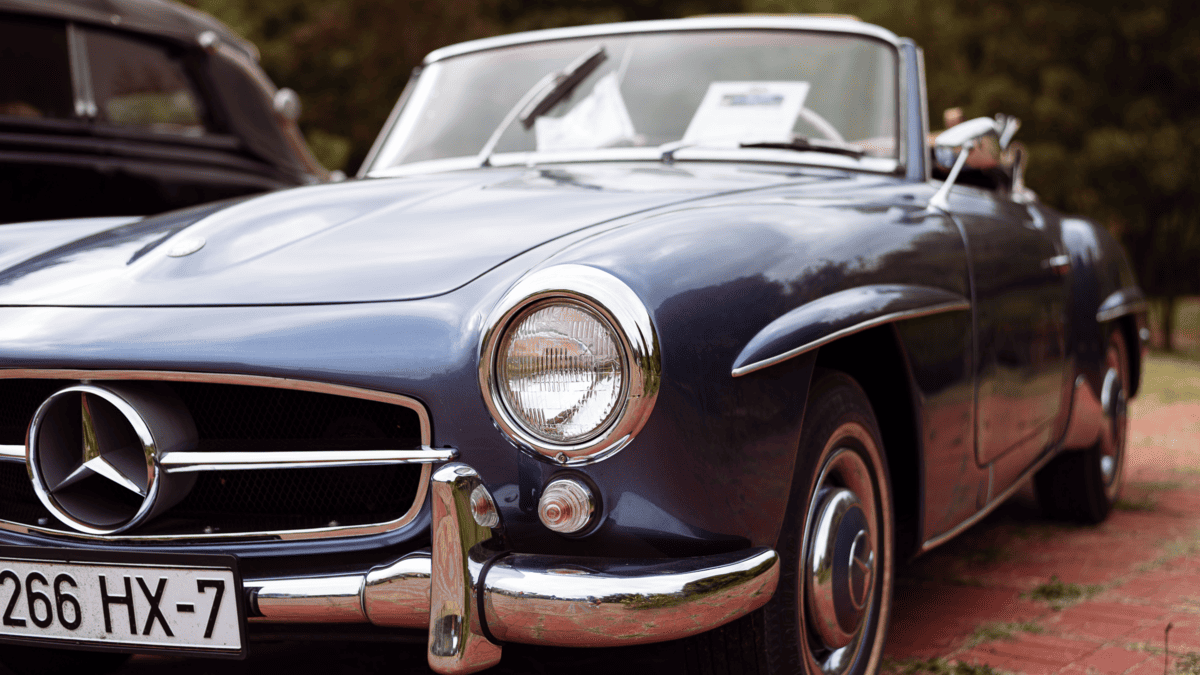
To build a collection of historic automobiles is to acquire art defined by motion, engineering, and heritage. For the discerning enthusiast, entering the collector market demands a blend of passionate curation and analytical rigor. Whether drawn to mid-century European grand tourers or rare pre-war coachwork, this Classic Vintage Cars Buying Guide provides a disciplined approach to navigating valuations, provenance, and long-term portfolio curation.
1. Defining Your Curation Strategy
Before acquiring your first vehicle, clarify the overarching purpose of your collection. Every vehicle requires dedicated stewardship, making intentional selection vital.
- Pebble Beach-Quality Artifacts: Rare, highly original models with unbroken provenance intended for concours entry and capital preservation.
- Weekend Touring Drivers: Well-maintained, mechanically sound examples restored to present beautifully while remaining roadworthy for rallies.
- Historical Milestones: Vehicles representing pivotal moments in automotive design or motorsport history.
2. Determining True Market Valuation
Evaluating the price of a vintage automobile extends far beyond aesthetic appeal. The market operates on precise metrics where minor details yield significant shifts in valuation.
Key Valuation Factors:
- Provenance & Chain of Ownership: Documented ownership history, celebrity connection, or competition lineage dramatically enhances desirability and value.
- Matching Numbers & Authenticity: Original chassis, engine, and gearbox serial numbers matching factory records form the bedrock of collector-grade valuation.
- Restoration Grade: Unrestored, original-paint “survivors” often command higher prices than fully restored examples due to their irreplaceable historic authenticity.
3. Vehicle Evaluation Criteria Matrix
When assessing a potential acquisition, utilize a structured inspection framework:
| Category | High-Value Marker (Investment Grade) | Red Flag (Capital Risk) |
| Documentation | Original build sheet, service logs, continuous title history | Gaps in ownership, missing VIN tags, bill of sale only |
| Bodywork | Factory panel gaps, original metalwork, no structural corrosion | Frame rust, thick body filler (Bondo), overspray on trim |
| Mechanicals | Stamped matching engine numbers, documented overhaul receipts | Non-period replacement engine, unverified structural modifications |
| Interior | Original leather patina or period-correct NOS (New Old Stock) materials | Incorrect aftermarket vinyl, missing dashboard instrumentation |
4. Strategic Acquisition Channels
Acquiring rare automobiles requires selecting the right venue based on your risk tolerance and required level of verification.
“An acquisition made without independent specialist verification is not an investment; it is a speculative gamble.”
- Premier Auction Houses: Houses such as Gooding & Company, RM Sotheby’s, and Bonhams provide global visibility and curated consignments, though buyer premiums apply.
- Specialist Marque Dealers: Premier boutiques offer vetted inventory, consignment history, and room for thorough pre-purchase inspections.
- Private Off-Market Sales: Accessing discreet private collections via marque clubs often yields the highest-quality vehicles before they reach open markets.
Essential Steps Before Signing
Leverage this ultimate checklist to finalize your acquisition using our Classic Vintage Cars Buying Guide principles:
- Commission a Marque Specialist: Retain an independent expert to conduct a thorough pre-purchase inspection.
- Verify Title Legality: Confirm the Vehicle Identification Number (VIN) aligns across the frame, engine block, and legal registration documents.
- Secure Agreed-Value Insurance: Partner with specialized collector insurers (e.g., Hagerty) to protect the asset at its appraised market worth.
Leave a Reply